Load Shedding Solutions & Inverters Boardwalk

On Call 24/7 - Licensed Electrician Near You

Load Shedding Solutions & Inverters Boardwalk planning begins with what your home or workplace genuinely needs to keep running. Selected lights, security and connectivity place different demands on a system than cooking or heating appliances. We assess the essential loads and existing installation before discussing inverter capacity, battery use and safe changeover. Contact 911 Electricians Pretoria on 076 895 5655 to explore a backup arrangement with clear operating limits.

Get your FREE

Quote Today

SERVICE DESCRIPTION

About Our Load Shedding Solutions & Inverters Services Boardwalk

A backup installation needs more than an inverter and a battery chosen from a headline rating. The electrician considers which Boardwalk circuits need support, how their loads overlap and how the system connects to the existing supply. Output capacity, storage and safe changeover solve different parts of that problem. Protection and earthing also need assessment. We explain the supported circuits and expected usage assumptions so you can compare options without confusing a larger battery with unlimited appliance capacity. A separate wiring concern may need attention alongside backup planning; explore the available electrician services in Boardwalk.

  • Essential circuit selection: Choose the equipment that matters during an interruption before deciding how much of the property the backup should supply.
  • Output and storage: Inverter output limits and usable battery energy affect different decisions, including simultaneous demand and the duration of selected loads.
  • Safe supply changeover: The connection arrangement needs suitable isolation, protection and earthing so the backup and normal supply work together safely.
  • Commissioning and guidance: The agreed installation needs relevant checks and operating guidance that identifies supported circuits, limitations and any required follow-up.
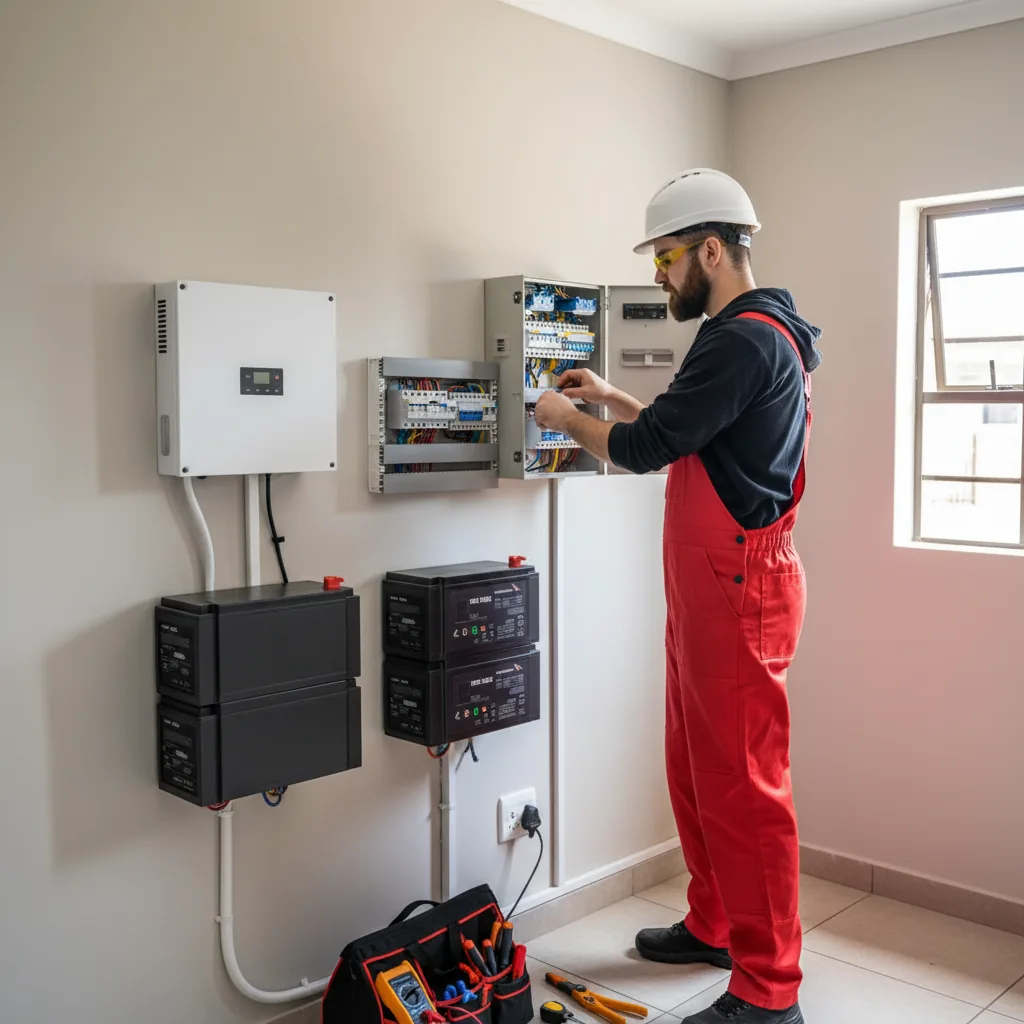
Load Shedding Solutions & Inverters Boardwalk from 911 Electricians Pretoria, showing a technician connecting an inverter, battery bank and distribution boards.
TRUSTED LOAD SHEDDING SOLUTIONS & INVERTERS IN BOARDWALK

Why Choose Us for Load Shedding Solutions & Inverters Boardwalk

A system can disappoint even when its advertised capacity sounds generous. Unplanned appliances, starting demand and changing usage all affect performance. We discuss those details before you choose equipment or expand existing backup circuits. A Boardwalk household may prioritise evening essentials, while a small business needs connectivity and selected office equipment. The assessment makes those choices explicit. Our handover explains how actual use affects expected runtime, rather than leaving you to discover the limits during a supply interruption. Discuss the property's wider electrical requirements with 911 Electricians Pretoria.

  • Priorities made explicit: An agreed load list separates essentials from convenience appliances, giving the system design a clear purpose from the outset.
  • Existing wiring considered: The electrician assesses the installation interface before recommending additional backup circuits or assuming an older arrangement suits new equipment.
  • Runtime with assumptions: Expected duration needs a stated usage pattern, usable storage and equipment condition rather than a fixed promise from battery size alone.
  • Understandable operating limits: You receive an explanation of what the selected circuits can support and which changes need further electrical assessment.
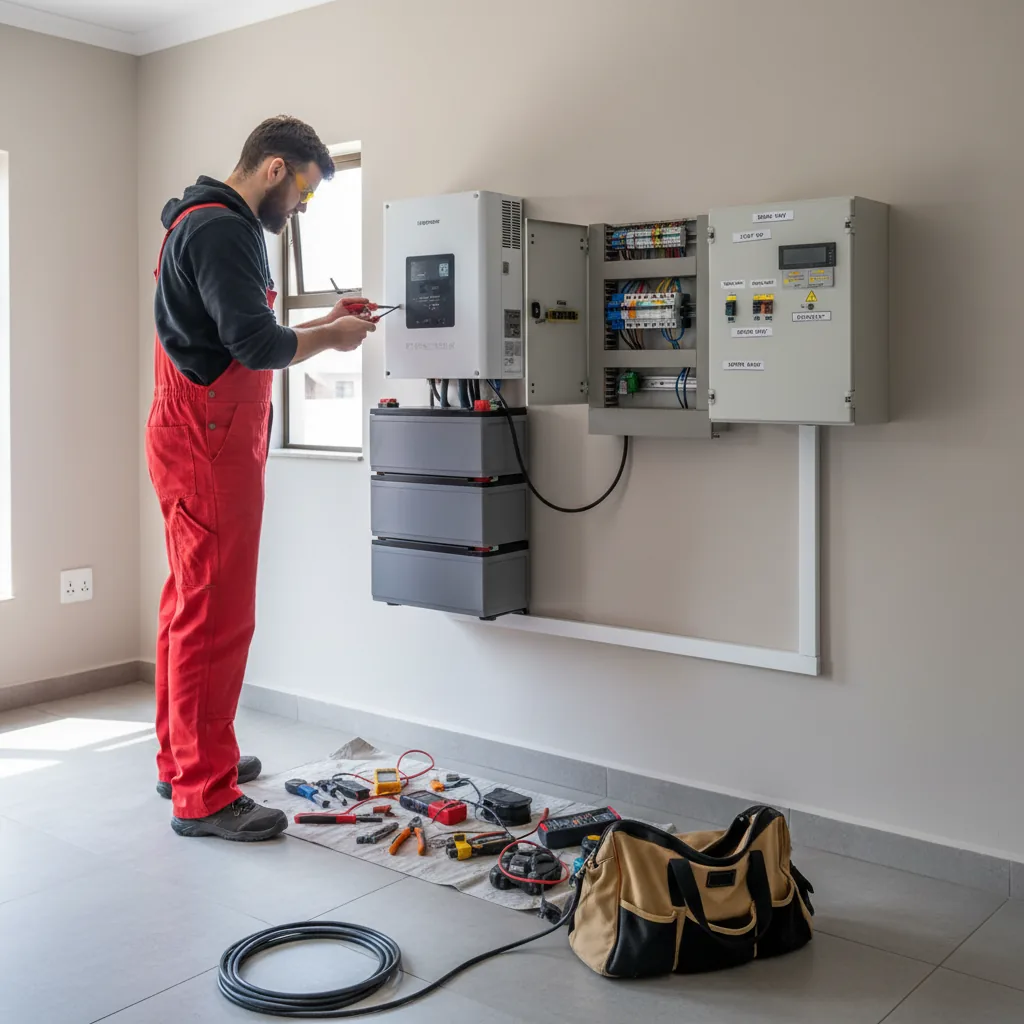
Load Shedding Solutions & Inverters Boardwalk from 911 Electricians Pretoria, showing a technician testing a wall-mounted inverter and battery backup system.
BOARDWALK LOAD SHEDDING SOLUTIONS & INVERTERS

Why Boardwalk Residents Trust Us for Load Shedding Solutions & Inverters

Clear circuit identification matters when the normal supply stops and several people depend on the backup system. After the agreed work and checks, occupants need to understand what remains supplied and which appliances belong outside that plan. Boardwalk residents and workplace managers can then use the system within its assessed limits. We explain relevant controls and warning signs without treating every interruption as an equipment failure. If your essential loads change later, the backup scope needs review before adding them.

  • Identified backed-up circuits: Users can distinguish the supported areas from ordinary supply circuits instead of assuming every socket runs from the inverter.
  • Practical runtime expectations: Changes in simultaneous use or battery condition can alter duration, so operating guidance relates the estimate to its assumptions.
  • Relevant installation checks: The electrician checks the agreed connection and protective arrangements before explaining the system's normal operation and any restrictions.
  • Room for informed changes: A later appliance purchase or office expansion needs a load review before the existing backup arrangement takes on additional demand.
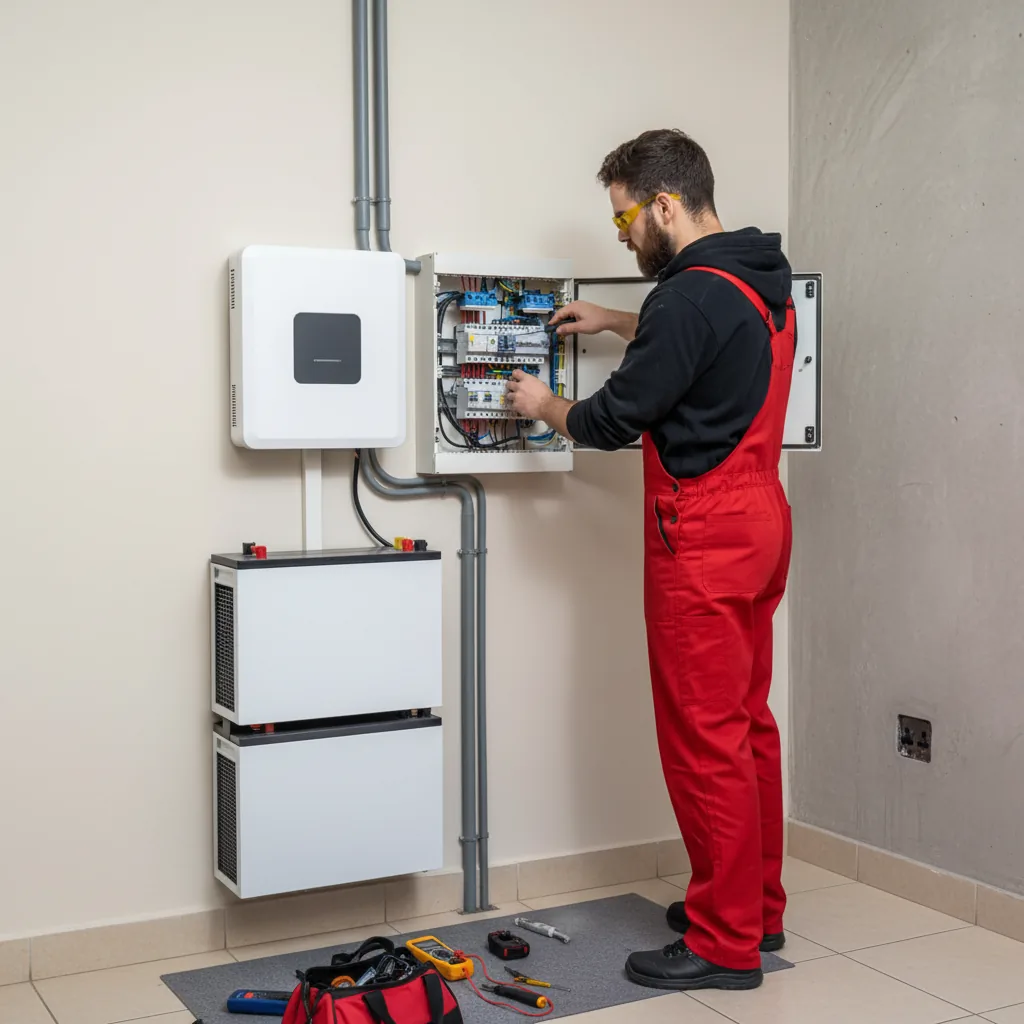
Load Shedding Solutions & Inverters Boardwalk from 911 Electricians Pretoria, showing a technician checking the distribution board beside an inverter and batteries.

GOT QUESTIONS?

Frequently Asked Questions About Our Load Shedding Solutions & Inverters Boardwalk Team

Have questions? We’ve got answers. Our Load Shedding Solutions & Inverters Boardwalk FAQ section covers the most common queries about our services, coverage, insurance, and emergency response so you can book with confidence.

It should supply the loads you agree are essential within the assessed system limits. Selected lighting, connectivity and security may be priorities, but each property's needs differ. Include the equipment that may run together rather than listing appliances without their usage pattern.

Expert insight: The electrician considers demand, existing circuits and the connection arrangement before proposing capacity. High-demand appliances can change both output and storage requirements. A focused backup plan may be more practical than assuming the whole home must remain supplied in the same way.

Runtime depends on usable battery energy, the connected load and actual operating conditions. Battery condition and conversion losses also matter. An estimate needs an agreed load profile, so a storage rating alone cannot establish how many hours your chosen equipment will run.

Expert insight: Ask which usage assumptions support the estimate and how simultaneous appliance use changes it. A fixed duration cannot be guaranteed without clearly stated operating assumptions. If the equipment mix changes, review the expectation rather than treating the original estimate as a permanent system promise.

The combined demand or the appliance's starting requirement may exceed a system limit, although a fault or other equipment concern is also possible. The symptom needs assessment. Normal operation with lighter loads does not prove the inverter, wiring or battery is suitable for every combination.

Expert insight: Tell the electrician what was already running and what started next, without repeating the event deliberately. Equipment information and relevant installation checks guide the next decision. The solution may involve revised load selection rather than automatically replacing the inverter or adding a battery.

Changeover controls how backup and normal supplies connect to the installation. It must prevent unsafe interaction between sources and work with the installation's protection and earthing, rather than rely on an improvised connection.

Expert insight: Never feed fixed wiring through an ordinary socket or extension lead. Ask which circuits the design supports and how to operate it. Safe connections and appropriate checks matter as much as advertised inverter capacity.

It may be possible, but the existing board, circuits and protective arrangements need assessment first. Spare space does not establish that the board is suitable. The electrician must consider the proposed load scope and how backup and normal supply will connect safely.

Expert insight: Older alterations, unclear labels or existing faults can affect the work required before integration. Ask whether the quotation includes any necessary board corrections and relevant checks. A backup installation should not conceal a separate wiring concern or leave the selected circuits unclear to users.

Only after checking compatibility, system limits and the revised installation requirements. More storage may increase available energy, but it does not automatically raise inverter output or circuit capacity. The existing protection, equipment condition and connection arrangement also need consideration before an addition.

Expert insight: Explain whether you want longer runtime or more simultaneous loads. Those are different design questions. The electrician can assess which change addresses the real limitation, then explain any equipment, protection or operating updates the agreed upgrade requires before it enters normal use.

Start with the equipment that protects essential operations, such as connectivity, selected office circuits or point-of-sale equipment where applicable. Include the supporting devices those functions need. The priorities should reflect the business activity rather than a generic whole-office backup package.

Expert insight: Discuss shutdown requirements, starting demand and which staff may add equipment during use. The electrician can assess suitable circuit separation and capacity. A clear essential-load plan helps avoid an unnoticed heater or other convenience appliance consuming the capacity reserved for critical work.

The position must meet the equipment's requirements for ventilation, access, protection and cable routing. Fitting a cabinet into a space does not establish suitability; the electrician needs to assess the proposed location before installation.

Expert insight: Mention stored items or planned room changes. Access and ventilation must remain clear after installation, not just on the day of work. Agree the position first so equipment does not need relocating later.

It should explain the supported circuits, normal operation, relevant controls and operating limits of the agreed system. Users need to know which loads belong outside the plan. The electrician should also explain any restriction or further work identified during the relevant installation checks.

Expert insight: Ask how actual usage can change runtime and which warning signs need attention. Share the guidance with other occupants or staff who use the system. Knowing one control is not enough if users still assume that every socket has unrestricted backup power.

No. The design should follow your essential loads and the supply interruptions you need to plan for. A published timetable alone cannot establish equipment demand, battery condition or safe integration. Current schedules may change without altering those basic electrical requirements at the property.

Expert insight: Discuss realistic operating patterns and how the system recovers between interruptions. If your needs change, the circuit and capacity plan may need review. A timetable is useful for personal planning, but it should not replace an assessment of the installation and intended loads.

Our Electrician Stories

Load Shedding Solutions & Inverters Electrician Boardwalk Real Jobs, Real Solutions from 911 Electricians

Here are a few situations where our Load Shedding Solutions & Inverters service may be needed in Boardwalk 

Evening Essentials Compete with a Heating Appliance

A Boardwalk family wants lights and connectivity during an outage but also expects a heating appliance to run. Those priorities can place very different demands on the inverter and battery. The electrician can review simultaneous use and compare it with the proposed system limits. If the heating load exceeds the practical scope, the family can agree exclusions or consider a different design. An identified essential circuit plan then supports the intended routine without hiding the effect of a single high-demand appliance. Practical Tip: Include occasional high-demand appliances in the planning discussion, even when you expect to use them only briefly while the normal supply is off.

An Office Needs Connectivity without Backing Up Every Socket

A small office wants network equipment and selected workstations to remain available during a supply interruption. Backing up every office socket would also include loads the manager does not consider essential. An electrician can identify a suitable circuit scope and assess demand before sizing the system. The agreed work can then separate selected loads from ordinary supply circuits, subject to the installation design. Staff receive clear operating information instead of treating the inverter as an unlimited replacement for the normal supply. Practical Tip: Identify the actual equipment needed for continuity, including network devices, rather than using the number of desks as the backup sizing figure.

A Battery Upgrade Does Not Increase Every System Limit

A homeowner in Boardwalk asks for more battery storage after the household routine changes. Extra energy may extend selected use, but it does not automatically increase inverter output or circuit capacity. The electrician can assess equipment compatibility, existing protection and the revised load pattern. If another limit controls performance, a battery-only change may not solve the concern. A suitable agreed upgrade then follows the actual restriction, with relevant checks and revised operating guidance rather than a larger storage figure alone. Practical Tip: Explain whether you need longer duration or more equipment running at once; those goals can require different changes to the backup system.

Starting Demand Interrupts an Otherwise Light Backup Load

A property manager finds that a backup arrangement runs small loads but stops when another item starts. Steady operating demand does not describe every appliance's starting behaviour. An electrician can review the equipment ratings, connected loads and installation before attributing the interruption to the battery. Where the requested combination exceeds a system limit, revised load selection or a suitable design change may be necessary. The manager can then communicate a supported operating plan instead of asking occupants to keep repeating the failed start. Practical Tip: Report which equipment was already operating when the interruption occurred, but do not repeatedly restart the load to demonstrate the failure.

A System Handover Needs to Reach More than One User

A Boardwalk household has several people using a new backup installation at different times of day. One person's understanding of the controls does not ensure that everyone knows which circuits the system supports. After relevant checks, the electrician can explain the selected loads, normal operation and restrictions to the responsible contact. The household can then share consistent instructions. A later appliance addition needs review rather than becoming an unnoticed change that makes the original runtime expectations unreliable for all users. Practical Tip: Keep the essential circuit list accessible to everyone who uses the property, and revisit it when a new appliance changes normal demand.