Electrical Certificate of Compliance Boardwalk

On Call 24/7 - Licensed Electrician Near You

Electrical Certificate of Compliance Boardwalk enquiries often begin with a property transfer, altered wiring or uncertainty about older paperwork. A certificate decision depends on the installation, not how tidy the board looks. Inspection and testing establish whether corrections are necessary before the registered person considers issuing it. Speak to 911 Electricians Pretoria on 076 895 5655 about the records, access and fixed electrical work involved at your home or business premises.

Get your FREE

Quote Today

SERVICE DESCRIPTION

About Our Electrical Certificate of Compliance Services Boardwalk

A compliance inspection examines the fixed electrical installation within the relevant scope and tests the applicable safety measures. The registered person considers the results before making the certificate decision. Before a Boardwalk inspection, gather earlier paperwork and identify any later electrical alterations. Any defect needs an explanation rather than an assumed pass or an automatic upgrade. If defects need repair, we explain the proposed corrections and subsequent tests before you authorise the work. When the inspection identifies a separate repair or installation need, consider the relevant electrician services in Boardwalk.

  • Relevant installation scope: The inspection needs a clear view of the fixed circuits involved, including later additions that older paperwork may not cover.
  • Inspection and testing: Physical examination and applicable electrical tests establish the evidence needed for the registered person's decision on certification.
  • Explained corrective work: Any identified defect needs a clear correction scope so you can distinguish necessary work from unrelated recommendations.
  • Retesting after correction: Corrected items need the applicable rechecks before the registered person can determine whether the installation meets the requirements.
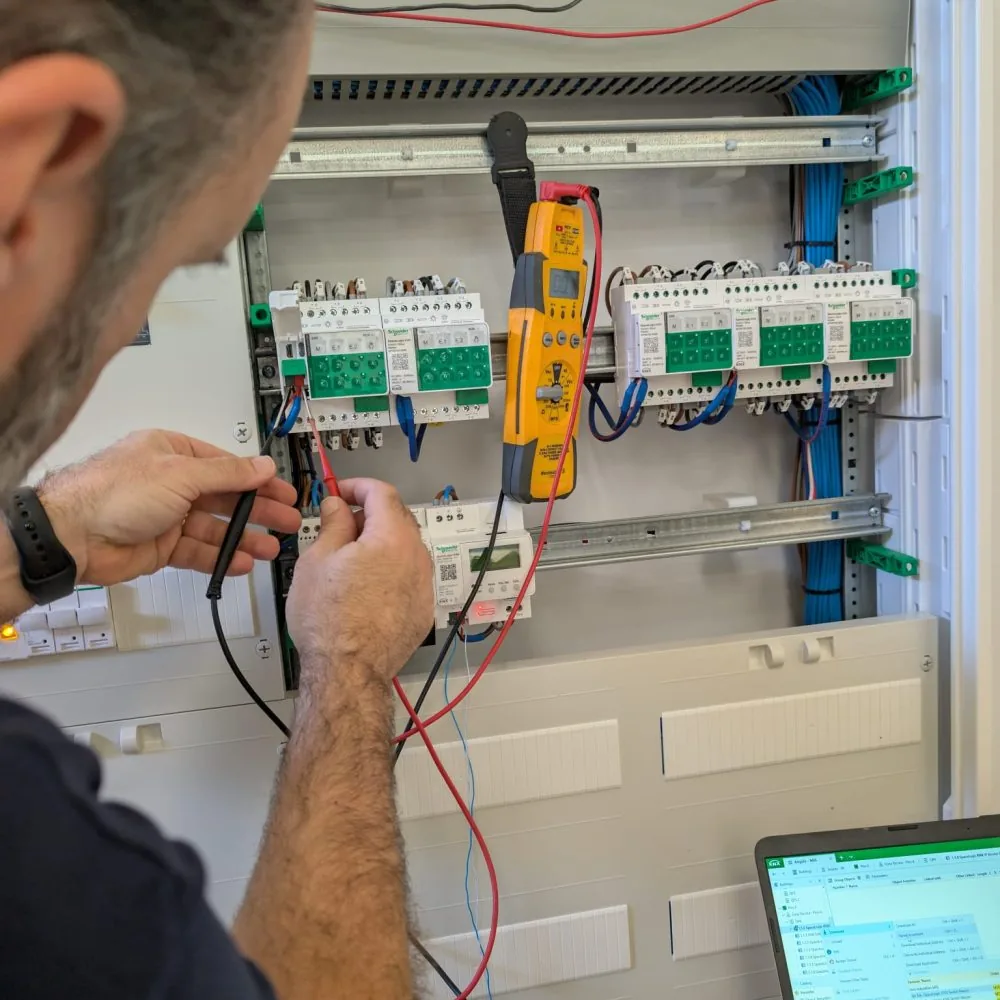
Electrical Certificate of Compliance Boardwalk from 911 Electricians Pretoria, showing meter probes testing components inside an electrical panel.
TRUSTED ELECTRICAL CERTIFICATE OF COMPLIANCE IN BOARDWALK

Why Choose Us for Electrical Certificate of Compliance Boardwalk

Transfer dates and incomplete paperwork can make an inspection feel like a race to obtain a document. We keep the focus on what the installation and test results establish. You receive an explanation of the relevant concerns and proposed corrections, rather than a promise of certification before inspection. That matters whether you are selling a Boardwalk home or taking responsibility for an altered workplace. We also agree which boards and fixed points need access, including areas absent from older records. For more about the team coordinating your inspection enquiry, visit 911 Electricians Pretoria.

  • Clear inspection purpose: The proposed assessment identifies the installation involved and the reason for inspection, rather than treating every enquiry as identical.
  • Defects in context: We explain why an item needs correction and keep unrelated improvements separate from the work needed for compliance.
  • Practical access planning: Access to relevant fixed points and boards needs agreement, especially where occupants or shared areas affect the inspection.
  • Honest certificate decisions: Issuing a certificate depends on the registered person's findings and applicable checks, not the urgency of a transaction.
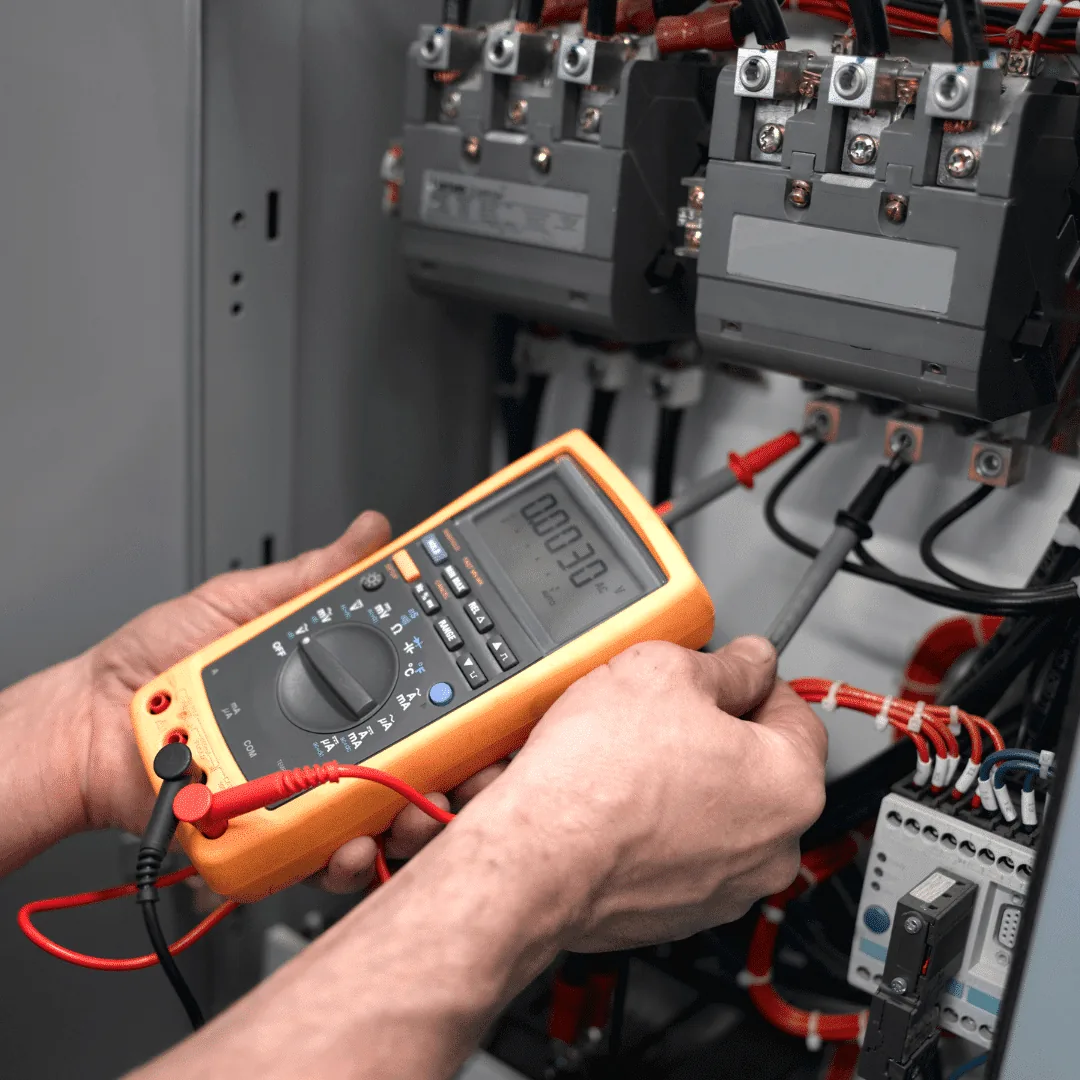
Electrical Certificate of Compliance Boardwalk from 911 Electricians Pretoria, showing a digital multimeter checking electrical switchgear.
BOARDWALK ELECTRICAL CERTIFICATE OF COMPLIANCE

Why Boardwalk Residents Trust Us for Electrical Certificate of Compliance

A completed inspection should leave the owner able to distinguish verified work from assumptions about old records. The registered person decides whether the inspected installation meets the applicable requirements. Any required repairs need an explanation, followed by the appropriate rechecks. Boardwalk properties can differ in how private units and shared electrical areas connect, so the scope must be clear. Keep the inspected installation's details with its paperwork so future owners or managers can see what the certificate covers.

  • Recorded scope clarity: Keep the relevant certificate and supporting information together so later work does not become confused with the inspected installation.
  • Corrections with rechecks: A replaced component alone does not settle a compliance concern; the applicable inspection and test results still matter.
  • Later alterations recognised: Changes to fixed circuits need consideration in their own right rather than reliance on paperwork from before the alteration.
  • Responsible ownership decisions: A clear explanation helps owners arrange outstanding work and avoid presenting an unresolved inspection concern as an approved installation.
Electrical Certificate of Compliance Boardwalk from 911 Electricians Pretoria, showing protective gloves holding electrical cable beside hand tools.

GOT QUESTIONS?

Frequently Asked Questions About Our Electrical Certificate of Compliance Boardwalk Team

Have questions? We’ve got answers. Our Electrical Certificate of Compliance Boardwalk FAQ section covers the most common queries about our services, coverage, insurance, and emergency response so you can book with confidence.

It involves inspection and testing of the fixed electrical installation within the relevant scope. The registered person considers the applicable safety requirements and test evidence. An appliance running normally or a tidy distribution board cannot establish compliance on its own.

Expert insight: Discuss why you need the inspection and whether later alterations affect the installation. That helps clarify access and records before the visit. If defects need correction, the repair and retesting process follows the findings rather than an automatic certificate issue.

A registered person may issue the certificate only after being satisfied through inspection and testing that the installation meets the applicable requirements. Booking an inspection or completing a repair does not, by itself, establish that a certificate can be issued.

Expert insight: Ask who is responsible for the inspection and certificate decision when arranging the work. The role and required evidence matter more than a sales assurance. Avoid relying on a promise to issue the document before anyone has examined the relevant installation.

Gather earlier certificates and records of fixed electrical changes. Arrange access to the boards and fixed points involved, and mention locked rooms, shared areas or equipment that needs notice before a power interruption.

Expert insight: Explain missing records honestly. Do not remove covers or attempt repairs to improve appearances before inspection. The registered person needs to examine the actual installation, including additions that older paperwork may not describe.

Not automatically. An older certificate may describe the installation as it existed before later fixed additions or alterations. The registered person needs to establish what changed and what inspection or testing is necessary for the current electrical work involved.

Expert insight: Keep any later installation records alongside the older certificate and explain the alteration when booking. A date alone cannot settle the scope question. Nor does the fact that a new circuit works normally prove that its protection and connections meet the applicable requirements.

It can. New fixed outlets change the installation and need suitable wiring, protection and applicable checks. The extent depends on the work and existing supply arrangement. The registered person should consider the relevant requirements rather than treating extra points as paperwork-free additions.

Expert insight: Discuss the certification implications before the alteration begins and retain the agreed electrical scope. Later, the number of visible sockets may not reveal which circuits changed. Clear installation records make it easier to assess the new work without guessing from appearance.

Only if the quotation includes them. Inspection, corrective repairs and retesting can be separate charges because the extent of defects may remain unknown until the registered person has examined and tested the installation.

Expert insight: Ask which visits, materials and rechecks the price covers. Additional repairs need explanation and approval. An inspection fee should not become an undefined commitment to pay for every electrical change the contractor proposes.

The inspection needs a clearly defined electrical scope and access to the relevant installation. A private unit may connect with equipment in shared areas. The owner and appropriate manager may need to coordinate access, but ownership labels do not establish the wiring arrangement.

Expert insight: Explain any shared boards or supply equipment when booking and provide available records. The registered person can identify questions about scope or access before the decision on certification. Do not assume either that every common area is included or that it is irrelevant.

An alteration involving fixed electrical wiring or circuits needs consideration of the applicable inspection, testing and certification requirements. Partition changes, moved fixed points and new equipment connections may alter the electrical scope even when the office remains in the same premises.

Expert insight: Tell the electrician what the fit-out changed and provide available circuit information. Ordinary workplace use does not prove that the new connections are suitable. The assessment should distinguish the altered work from unchanged parts and explain any corrections before a certificate decision.

A repair needs the applicable rechecks because replacing a component does not by itself prove the original concern is resolved. The registered person uses inspection and test results to determine whether the corrected installation meets the relevant requirements for certification.

Expert insight: Ask what the correction addresses and which checks follow it. Where several defects relate to one circuit, fixing the visible item may not settle the rest. Retesting helps connect the completed work to the issue identified rather than relying on appearance alone.

The concerns need explanation and a defined corrective scope before certification can proceed. Ask which items require work and why. The registered person can consider the certificate decision only after the required corrections and applicable inspection and test evidence support it.

Expert insight: Any urgent safety restriction needs separate, clear instructions while you arrange repairs. An unrelated upgrade should remain a distinct recommendation. If you are working towards a transfer or occupancy date, allow for correction and retesting rather than assuming the first inspection guarantees completion.

Our Electrician Stories

Electrical Certificate of Compliance Electrician Boardwalk Real Jobs, Real Solutions from 911 Electricians

Here are a few situations where our Electrical Certificate of Compliance service may be needed in Boardwalk 

A Seller Finds Paperwork from before a Kitchen Alteration

An owner preparing a Boardwalk home for sale finds a certificate dated before later kitchen electrical work. New fixed points make the older scope uncertain. The registered person can compare the available records with the installation and determine the inspection and testing needed. A neat new socket does not prove correct protection or wiring. Any defects need correction and relevant retesting before certification. The transfer preparation then follows the installation evidence rather than an assumption that the older document covers every addition. Practical Tip: Mention fixed additions made after an earlier certificate, even if another contractor fitted them and they appear to work normally.

An Office Fit-Out Changes the Fixed Points

A small office rearranges partitions and adds fixed electrical points to support its new layout. The manager has a certificate from before the fit-out and asks whether it still describes the altered installation. Inspection can establish the changed scope and test the relevant circuits and protection. Where corrections are necessary, they need approval and rechecks. The registered person's decision follows those results, allowing management to keep the new electrical work and its paperwork aligned rather than relying on the old room arrangement. Practical Tip: Retain the fit-out's electrical scope and circuit information; moving a partition does not tell the registered person which fixed connections changed.

A Sectional-Title Owner Needs the Inspection Scope Defined

A Boardwalk sectional-title owner books an inspection but is unsure whether a supply board in a shared area forms part of the same scope. The electrician needs to establish the installation arrangement and the access required, with the owner and relevant manager. Private ownership alone does not explain every electrical connection. Once the inspection scope is clear, the registered person can assess the applicable evidence. Any separate shared-area concern remains visible instead of disappearing behind an incomplete assumption about unit boundaries. Practical Tip: Clarify access to shared electrical areas before the visit, and let the installation arrangement guide scope rather than guessing from room boundaries.

A Defect Does Not Settle the Whole Rewiring Question

An owner worries that one compliance defect means the entire home must be rewired. Inspection and test results need to establish the actual extent before that conclusion makes sense. A local connection problem and widespread cable deterioration call for different correction scopes. The registered person can explain what the findings require and which items need retesting. That gives the owner a way to authorise necessary work without treating every recommendation as either optional or proof that every circuit needs replacement. Practical Tip: Ask how each proposed correction relates to the inspection finding; the number of listed defects alone cannot determine the right repair scope.

Missing Records Require Assessment, Not an Assumed Failure

After taking responsibility for a Boardwalk property, a new manager cannot find a clear record of earlier fixed electrical changes. Missing paperwork leaves uncertainty but does not reveal the physical condition of a circuit. The registered person can establish the relevant inspection and testing requirements and identify the installation involved. If defects emerge, the manager can arrange corrections and rechecks. The eventual certificate decision rests on the assessed installation, while organised records make future changes easier to track without relying on memory. Practical Tip: Collect available certificates and alteration records, but explain gaps honestly; missing documents should not become guessed installation details during the assessment.