Electrical Repairs and Fault Finding Boardwalk

On Call 24/7 - Licensed Electrician Near You

Electrical Repairs and Fault Finding Boardwalk helps when a fault keeps returning or a socket stops working without an obvious reason. Replacing the nearest component may leave the real cause untouched. We use the symptom history and relevant circuit tests to narrow the investigation, then explain the repair the findings support. For a home or small workplace, call 911 Electricians Pretoria on 076 895 5655 to discuss the affected area.

Get your FREE

Quote Today

SERVICE DESCRIPTION

About Our Electrical Repairs and Fault Finding Services Boardwalk

Fault finding separates the symptom you notice from the electrical cause that needs repair. Flickering lights, dead outlets and unexpected trips can involve different parts of an installation. Our electrician establishes where the concern occurs, when it changes and which circuits connect to it. Safe isolation and relevant tests help distinguish fixed-wiring, connection, protection and equipment concerns. At a Boardwalk property, that evidence defines a repair scope rather than a sequence of speculative component replacements. If the findings point towards certification or planned installation work, review the other electrician services in Boardwalk.

  • A useful symptom history: Timing, affected points and recent changes help narrow the investigation without requiring anyone to reproduce an unsafe fault.
  • Circuit-level testing: The electrician checks the relevant supply, wiring and protection to distinguish possible causes from the concern the evidence confirms.
  • Repair matched to findings: A confirmed local connection fault needs a different response from damaged cable or a problem within connected equipment.
  • Verification after repair: Appropriate rechecks assess the affected work, while intermittent faults may require further observation or investigation before a conclusion.
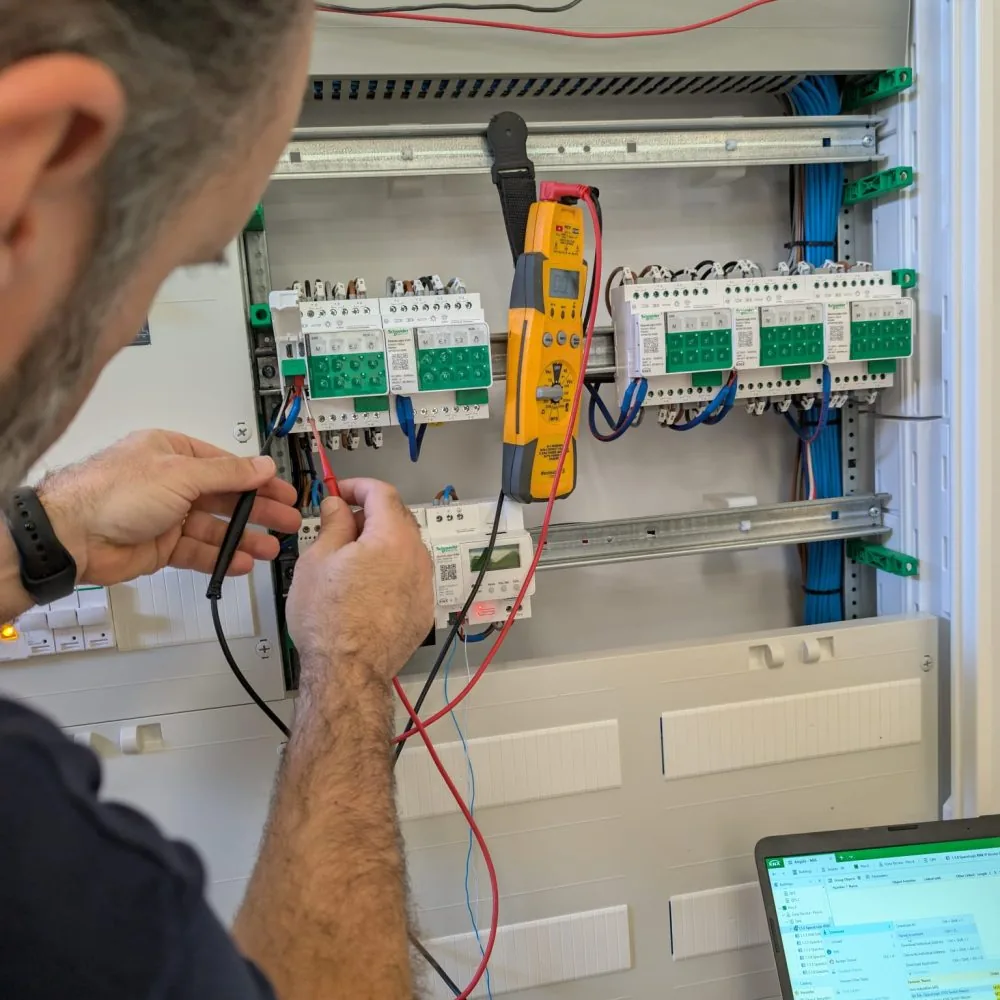
Electrical Repairs and Fault Finding Boardwalk from 911 Electricians Pretoria, showing meter probes diagnosing components inside an electrical panel.
TRUSTED ELECTRICAL REPAIRS AND FAULT FINDING IN BOARDWALK

Why Choose Us for Electrical Repairs and Fault Finding Boardwalk

Paying for a new breaker is frustrating when the same circuit trips again. We explain why a part needs attention and what the investigation has ruled in or out. If the fault does not appear during testing, that uncertainty stays visible rather than becoming an invented diagnosis. Boardwalk households and office managers can then decide on the next step with better information. After an agreed repair, we recheck the relevant area and keep unrelated observations separate from the authorised work. You can learn how fault investigation fits our overall work at 911 Electricians Pretoria.

  • Fewer speculative replacements: The repair recommendation follows the electrical findings, so a familiar symptom does not automatically trigger a familiar replacement part.
  • Intermittent faults acknowledged: A fault absent during the visit may need a more focused follow-up instead of a claim that it cannot recur.
  • Control over added work: You can consider an unrelated finding separately once its significance and any immediate safety restrictions are clear.
  • Plain repair explanations: We connect the proposed action to the observed concern and explain what the completion checks can establish.
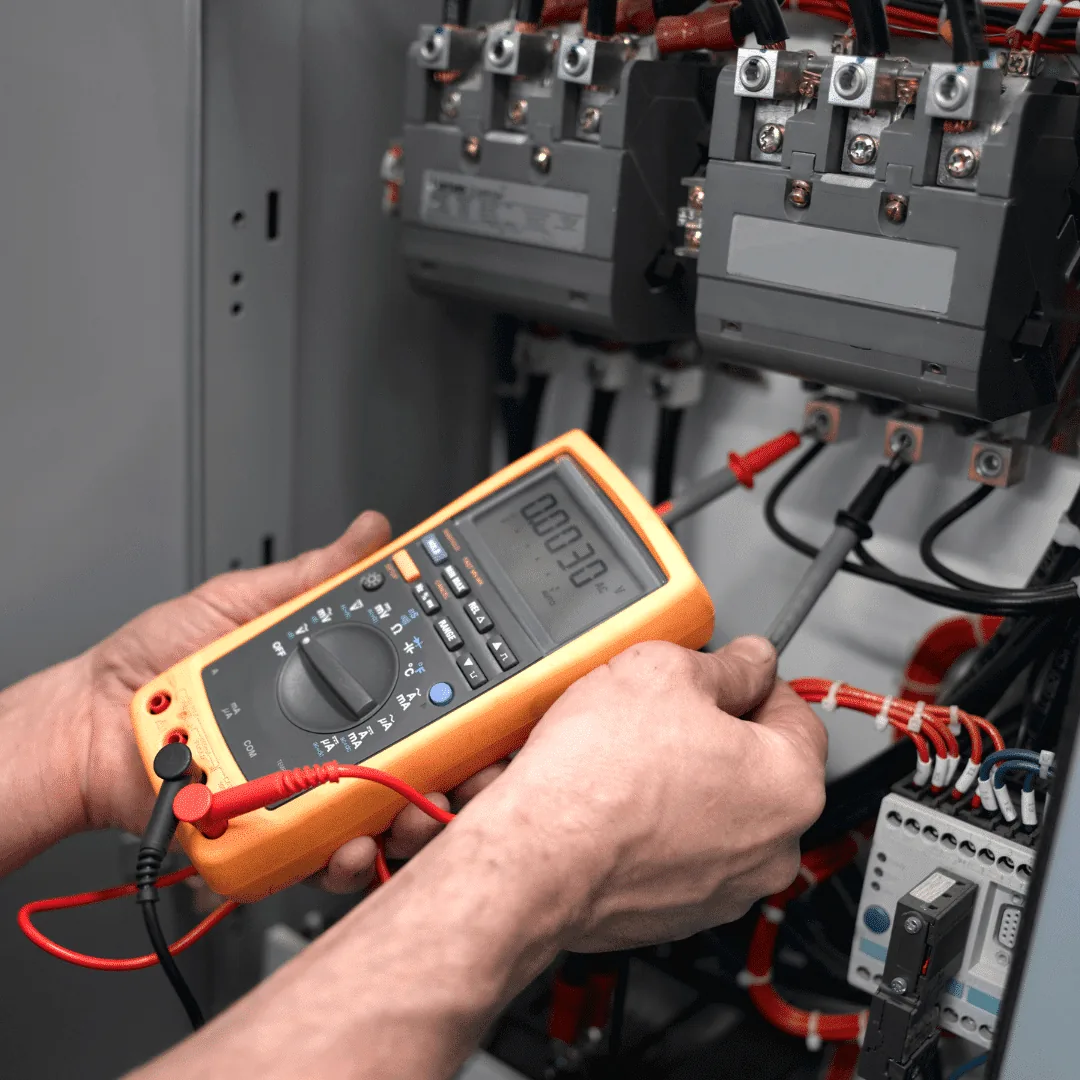
Electrical Repairs and Fault Finding Boardwalk from 911 Electricians Pretoria, showing a digital multimeter checking electrical switchgear.
BOARDWALK ELECTRICAL REPAIRS AND FAULT FINDING

Why Boardwalk Residents Trust Us for Electrical Repairs and Fault Finding

A useful repair leaves you able to connect the original symptom with the work undertaken. The electrician explains the confirmed finding, relevant rechecks and any uncertainty that remains. For a Boardwalk household, that may mean knowing which outlet needs to stay unused. For a workplace, it may involve identifying the affected supply before equipment returns. Clear explanations prevent a local repair from sounding like approval of every circuit and help occupants recognise when a returning symptom needs further investigation.

  • Findings you can follow: The explanation distinguishes an established fault from a possible cause that still needs investigation or access.
  • Relevant repair checks: Testing relates to the affected electrical work rather than a broad assurance that the whole property has no faults.
  • Practical use guidance: Occupants know which equipment or circuit can resume use and which restriction remains necessary after the visit.
  • Better follow-up information: If a symptom returns, the affected area and earlier findings provide a useful starting point for further testing.
Electrical Repairs and Fault Finding Boardwalk from 911 Electricians Pretoria, showing protective gloves holding electrical cable beside hand tools.

GOT QUESTIONS?

Frequently Asked Questions About Our Electrical Repairs and Fault Finding Boardwalk Team

Have questions? We’ve got answers. Our Electrical Repairs and Fault Finding Boardwalk FAQ section covers the most common queries about our services, coverage, insurance, and emergency response so you can book with confidence.

Fault finding identifies the cause of an electrical symptom through its history, inspection and circuit tests. The electrician narrows down the affected area before recommending a repair, rather than replacing the nearest component.

Expert insight: Explain what stopped working and any recent changes. A dead socket needs different investigation from an occasional trip. Some intermittent faults remain unresolved on the first visit and require further access or observation.

Intermittent tripping can involve changing equipment demand, moisture, a loose connection or another wiring or protection concern. The timing provides clues, but it does not identify the cause by itself. A circuit working normally between trips can still need professional assessment.

Expert insight: Record when the trip occurred and what was already operating, without repeating the event deliberately. Tell the electrician whether the same supply area is involved each time. Testing must separate possible causes before a component replacement becomes a sensible repair recommendation.

Sometimes, if testing establishes a local connection or fitting fault and the surrounding circuit condition supports a focused repair. A dead outlet alone does not prove that the whole room needs rewiring. Nor does it prove that replacing the socket is enough.

Expert insight: The electrician needs to inspect and test the relevant supply and wiring before defining the work. Ask what the proposed repair addresses and which rechecks follow. Concealed damage or additional findings can change the extent once the investigation establishes them.

Yes. Flicker can involve the lamp or fitting, its connections, the lighting circuit or wider supply conditions. Whether one fitting or several areas change together matters. The electrician assesses that pattern before deciding which part of the installation needs testing.

Expert insight: Do not assume a new lamp resolves a connection concern, especially if there is heat, buzzing or a burning smell. Keep clear of affected equipment and report those warning signs without delay. Wider flicker may require supply investigation rather than several unrelated fitting replacements.

The electrician uses suitable isolation, inspection and tests to separate the fixed installation from the equipment connected to it. A trip during appliance use is a clue, not proof of which has failed. The findings determine whether the next repair belongs to wiring or equipment.

Expert insight: Describe what was already running when the fault occurred, but do not repeatedly reconnect the suspected appliance. Some equipment needs a separate specialist assessment. Fixed-wiring work should address a confirmed installation concern rather than an assumption based only on the operating sequence.

The electrician can still use the symptom history and relevant checks to investigate, but may not confirm a cause on that visit. An absent symptom does not prove a fault is resolved. Any uncertainty and safety restriction need a clear explanation.

Expert insight: Further access, a more focused investigation or safe observation may help narrow the next step. Ask what the tests established and what they did not. Avoid approving a speculative part change as though it were a confirmed repair for the intermittent concern.

It may. Safe investigation can require isolation of the affected circuit or a wider supply area, depending on the installation. Explain essential equipment and interruption limits before work starts. The electrician must establish safe conditions rather than rely on the office circuit labels.

Expert insight: A nominated workplace contact can coordinate staff and equipment shutdowns. Continued use of another area depends on the assessment, not whether its lights remain on. Do not move loads onto extension leads to bypass the circuit under investigation or avoid an agreed shutdown.

Only where the quoted scope expressly includes it. Fault finding establishes the cause and may reveal work that could not be priced reliably beforehand. Ask how the investigation, materials and any agreed repair are separated before you authorise the visit.

Expert insight: Once a finding is clear, request an explanation of the proposed correction and relevant rechecks. Additional concerns should remain separate decisions. An investigation should not become open-ended permission for unrelated replacements, and a low callout price does not define the final repair scope.

Checks must suit the fault and completed work. Depending on the repair, the electrician examines the connections, protection and circuit condition. A replacement part working once does not prove the original concern is resolved.

Expert insight: Ask what the repair addressed and whether anything remains unresolved. Checks on one repaired circuit do not certify the whole property. The explanation should make normal use, remaining restrictions and any follow-up clear.

Treat smoke, sparking, burning smells, unusual electrical heat or moisture around equipment as urgent warning signs. Keep people clear and do not continue using or repeatedly resetting the affected circuit. Seek professional advice if the fault becomes more frequent.

Expert insight: Call to describe the warning signs from a safe position and confirm current availability. If there is fire or immediate danger, contact emergency services first. The urgency decision should follow the observed risk, not how easily the circuit restarted on an earlier occasion.

Our Electrician Stories

Electrical Repairs and Fault Finding Electrician Boardwalk Real Jobs, Real Solutions from 911 Electricians

Here are a few situations where our Electrical Repairs and Fault Finding service may be needed in Boardwalk 

A Socket Stays Dead while the Rest of the Room Works

A Boardwalk resident notices that one desk outlet no longer supplies equipment, although nearby points still work. Moving everything to extension leads would hide the interruption rather than explain it. The electrician can isolate and assess the relevant connection and circuit. If tests establish a local termination problem, a focused correction and rechecks may be appropriate. A wider cable concern would change that scope. The resident receives an explanation of the finding instead of assuming the faceplate itself caused the loss of supply. Practical Tip: Describe which points still work without trying several appliances in the failed socket; a useful location pattern does not require repeated switching.

Office Lights Flicker after a Layout Change

After desks move within a small office, staff report irregular lighting changes and suspect the new workstation equipment. The timing is useful history but does not prove a connection. An electrician can assess the lighting circuit and relevant supply conditions, keeping equipment concerns separate. Testing may identify a local fitting issue or require a broader circuit investigation. Management can then authorise the work supported by those findings, rather than replacing every lamp or blaming the office move before the electrical evidence is clear. Practical Tip: Tell the electrician about recent changes and the timing of flicker, but treat that history as a clue rather than a diagnosis.

A Trip during Appliance Use Needs Careful Investigation

A household sees a trip during washing and assumes that the washing machine has failed. The affected circuit and connected equipment both need consideration. Without asking the resident to provoke another trip, the electrician can assess the relevant wiring and protection and establish which checks apply to the appliance. If equipment tests point outside the fixed installation, the repair responsibility changes. The household avoids commissioning fixed-wiring replacements merely because the loss of power happened while one appliance was running. Practical Tip: Do not keep reconnecting an appliance to reproduce a trip; explain the original operating sequence and let professional checks separate equipment from wiring.

A Recurring Fault Is Absent during the Visit

A Boardwalk owner reports occasional circuit trips but finds everything working when the electrician arrives. Absence of the symptom does not establish that the installation has repaired itself. The electrician can consider the history, inspect the relevant area and carry out suitable tests. If those checks cannot confirm a cause, the owner needs an honest account of what remains unresolved. Safe restrictions or a more focused follow-up may be necessary, instead of paying for an unsupported replacement and calling the investigation complete. Practical Tip: Keep a simple record of when the symptom occurs and what was already in use, without deliberately creating the same conditions again.

A Lighting Repair Reveals a Separate Concern

During assessment of a failed light, an electrician may identify a concern elsewhere on the accessible circuit. That observation needs its own explanation; it does not silently expand the owner's repair approval. The electrician can distinguish the original fault from the additional finding and explain any safety restriction. A Boardwalk owner can then authorise the necessary next assessment or repair with the scope understood. Completion of the lighting work does not become an unexplained invoice for unrelated electrical changes. Practical Tip: Ask which finding belongs to the reported fault and which needs a separate decision, especially when access reveals additional electrical work.