Load Shedding Solutions & Inverters Elarduspark

On Call 24/7 - Licensed Electrician Near You

Load Shedding Solutions & Inverters Elarduspark planning begins with the circuits that matter, the power each load uses and the runtime the property expects. The electrician reviews the distribution board, changeover method, protection, earthing, ventilation and cable routes before recommending equipment. Call 911 Electricians Pretoria on 076 895 5655 to arrange an assessment for a home, townhouse, apartment or small business.

Get your FREE

Quote Today

SERVICE DESCRIPTION

About Our Load Shedding Solutions & Inverters Services Elarduspark

A useful backup-power design starts with an essential-load list rather than an inverter size chosen in isolation. Lighting, connectivity, refrigeration, security and selected office equipment can have different running and start-up demands. The electrician compares those needs with the existing board and wiring. The electrician then plans capacity, battery use, changeover and protection as one integrated system. If the property also needs fault finding, compliance or fixed-wiring work, view electrician services in Elarduspark.

  • Essential-load list: The customer identifies which circuits genuinely need backup and which can wait.
  • Demand assessment: Running power, start-up peaks and desired runtime shape equipment selection.
  • Board integration: Circuit separation, space, earthing and protection form part of the installation plan.
  • Safe changeover: The arrangement prevents an unsafe connection between backup and municipal supply.
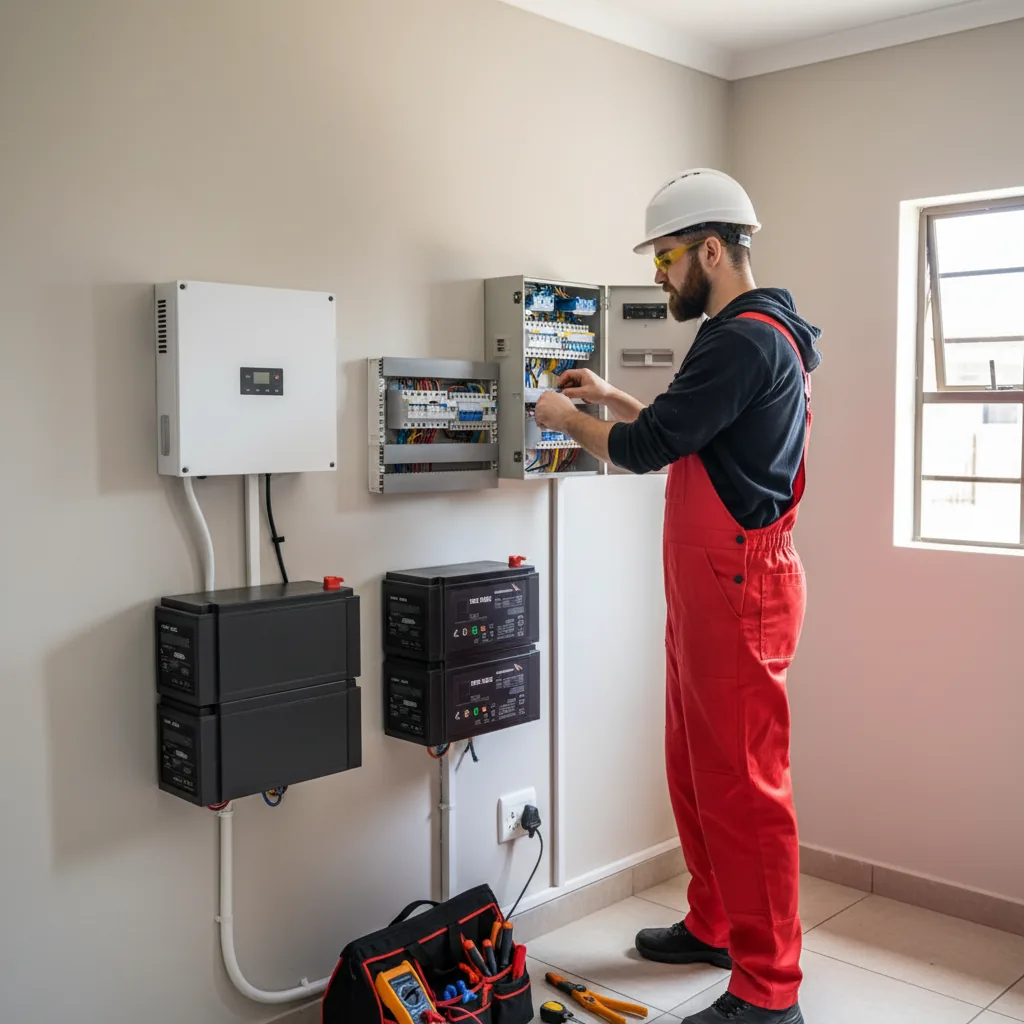
Load Shedding Solutions & Inverters Elarduspark from 911 Electricians Pretoria, showing a technician connecting an inverter, battery bank and distribution boards.
TRUSTED LOAD SHEDDING SOLUTIONS & INVERTERS IN ELARDUSPARK

Why Choose Us for Load Shedding Solutions & Inverters Elarduspark

911 Electricians Pretoria explains system limits before installation, including loads that should not run together and conditions that may shorten runtime. The quotation can separate essential installation work from optional monitoring or future expansion. Commissioning checks normal supply, backup operation and the agreed circuits. The handover gives occupants practical operating guidance and explains how actual usage can change the expected runtime. To match backup power to the loads you rely on, arrange an assessment with 911 Electricians Pretoria.

  • Realistic expectations: The team presents runtime as an estimate influenced by load, battery state and equipment condition.
  • Defined circuit boundary: Only the agreed essential loads connect to backup unless the electrician assesses a later change.
  • Commissioned operation: The electrician checks normal and backup modes with the installed protection and changeover.
  • Owner guidance: Users understand system limits, indicators and the process for future load changes.
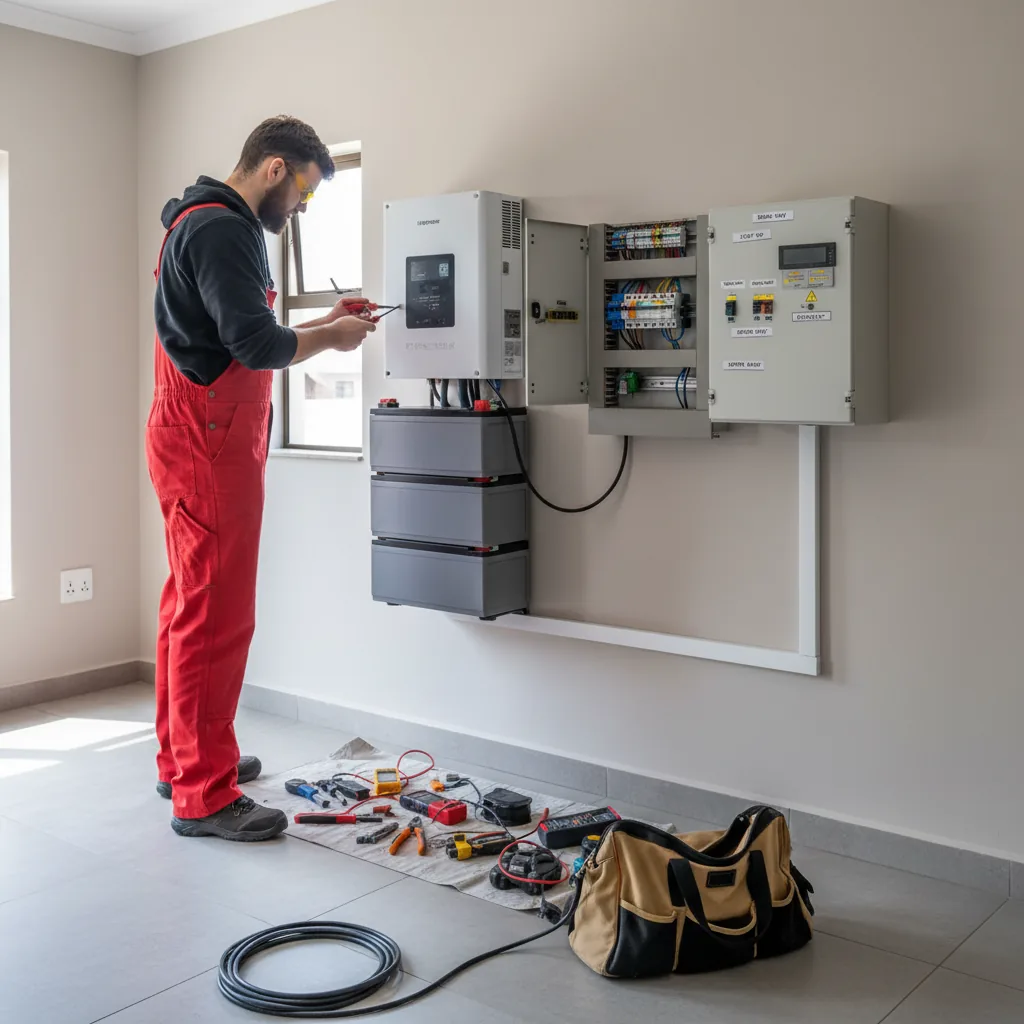
Load Shedding Solutions & Inverters Elarduspark from 911 Electricians Pretoria, showing a technician testing a wall-mounted inverter and battery backup system.
ELARDUSPARK LOAD SHEDDING SOLUTIONS & INVERTERS

Why Elarduspark Residents Trust Us for Load Shedding Solutions & Inverters

City of Tshwane information lists Elardus Park as an identified load-shedding area, but live stages and outage times can change. Local residents therefore benefit from designs based on actual household or business priorities rather than a copied timetable. Houses, townhouses and apartments may also differ in board access and shared-property rules, so the installation plan must match the specific premises.

  • Load-based planning: System advice follows the property’s essential loads rather than a copied outage timetable.
  • Property-specific access: The owner and electrician clarify ownership and board boundaries before work in shared buildings.
  • Home and office priorities: The plan can protect domestic essentials or selected commercial operations.
  • Future changes reviewed: The electrician assesses new loads against capacity instead of adding them automatically.
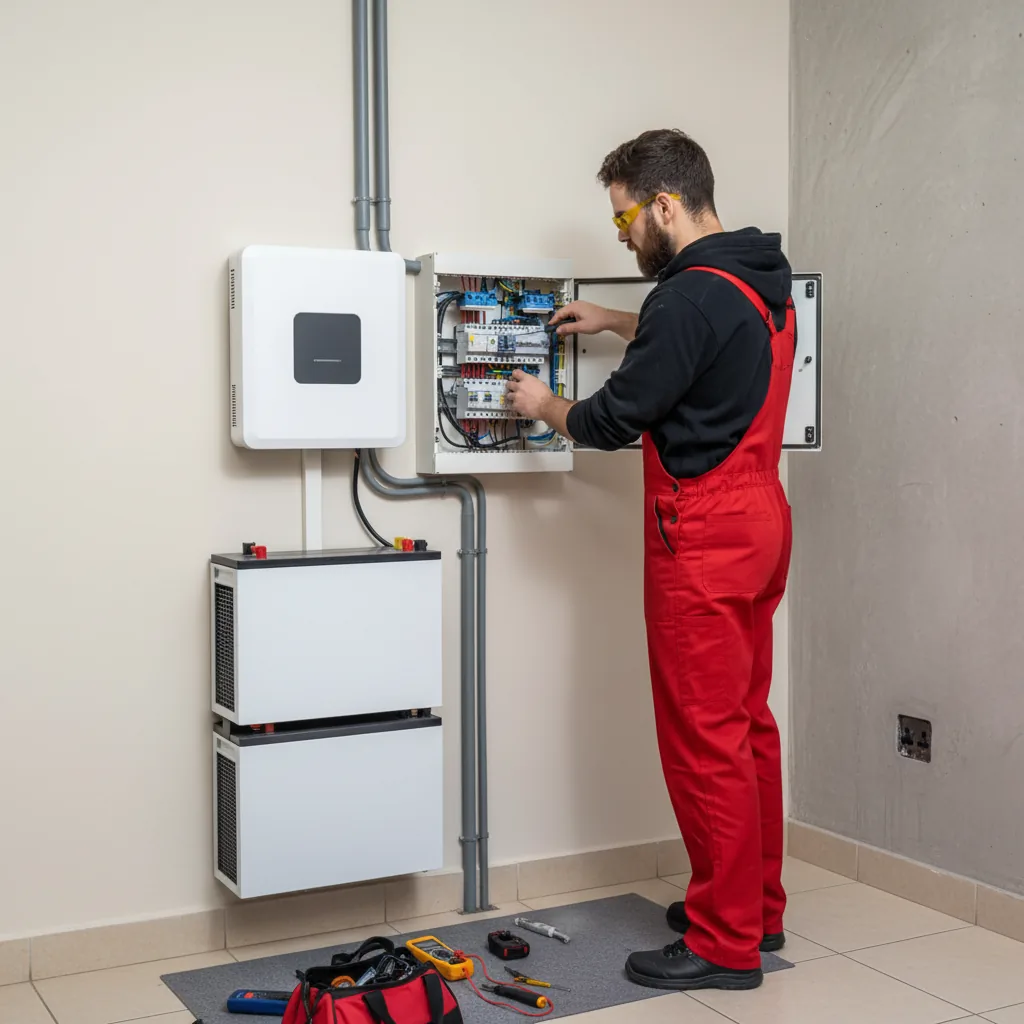
Load Shedding Solutions & Inverters Elarduspark from 911 Electricians Pretoria, showing a technician checking the distribution board beside an inverter and batteries.

GOT QUESTIONS?

Frequently Asked Questions About Our Load Shedding Solutions & Inverters Elarduspark Team

Have questions? We’ve got answers. Our Load Shedding Solutions & Inverters Elarduspark FAQ section covers the most common queries about our services, coverage, insurance, and emergency response so you can book with confidence.

Sizing considers the selected circuits, running demand, start-up peaks and expected runtime. The design must evaluate the battery and inverter together.

Expert insight: Board integration, cable routes, ventilation, protection and changeover also influence the design. A simple total of appliance wattages is not the whole assessment.

Most owners begin with lighting, connectivity, security and selected refrigeration, then rank other needs. High-demand heating and cooking loads can change system size significantly.

Expert insight: The final list should reflect what the household will actually use during an interruption. Unnecessary loads reduce runtime and increase cost.

Some systems can support broad loads, but whole-property backup is not automatically practical or necessary. Demand, supply arrangement and budget need assessment.

Expert insight: A protected essential-circuit design often gives clearer operating limits. The electrician can compare options after measuring the intended load.

Changeover controls how the installation moves between municipal and backup supply. It must prevent unsafe back-feeding and suit the selected circuit configuration.

Expert insight: The electrician also considers isolation, earthing and protection. These details belong in the installation design instead of adding them after equipment selection.

Runtime varies with connected load, battery state, usable capacity, temperature and equipment condition. A fixed duration cannot be guaranteed without an agreed load profile and clearly stated operating assumptions.

Expert insight: The proposal can show an estimated range for an agreed load profile. Actual use should remain within the handover guidance.

Possibly, but the current inverter, battery, wiring and protection need review first. Extra demand can reduce runtime or exceed system limits.

Expert insight: The electrician should update the load plan and confirm the new circuit boundary. Do not add loads only because a spare outlet appears available.

Commissioning checks the installed connections, protection, changeover and operation of the agreed backup circuits. It also confirms system settings relevant to the design.

Expert insight: The handover explains indicators, operating limits and shutdown behaviour. The handover should state any item outside the completed scope.

It may be possible, but electrical ownership, shared areas, ventilation and placement rules need confirmation. Access to the relevant board is essential.

Expert insight: Obtain required approvals before installation. The system must stay within the authorised property and electrical boundary.

No. Municipal area information can help with context, but live schedules change and do not define a property's electrical demand.

Expert insight: The design should follow essential loads and expected use. Check official City of Tshwane channels for current outage information.

Call 911 Electricians Pretoria on 076 895 5655 with your essential-load list and desired runtime. Mention existing solar, generator or backup equipment.

Expert insight: The site assessment confirms board condition, routes and installation constraints. A proposal can then describe equipment, exclusions and operating limits.

Our Electrician Stories

Load Shedding Solutions & Inverters Electrician Elarduspark Real Jobs, Real Solutions from 911 Electricians

Here are a few situations where our Load Shedding Solutions & Inverters service may be needed in Elarduspark 

An Elarduspark Family Separates Essential Loads

A household wants lights, internet and refrigeration during supply interruptions but does not need every high-demand appliance. The electrician records the selected circuits and checks their likely demand. The resulting design gives those essentials a clear backup boundary and excludes loads that would overwhelm the system. Practical Tip: Rank loads as essential, useful or non-essential before comparing inverter sizes.

Point-of-Sale and Connectivity Matter to a Local Business

A small business needs selected tills, internet equipment, security and task lighting to continue operating. The electrician measures the intended loads and reviews the board for safe circuit separation. The team can then discuss capacity and runtime against a realistic operating pattern. Practical Tip: List the exact business equipment that must stay on and its operating hours during an outage.

A Townhouse Needs Changeover and Ownership Clarity

A townhouse owner wants backup power but the board arrangement includes areas that may form part of shared property. The electrician identifies the private circuit boundary and confirms the access needed before specifying equipment. The proposal proceeds only for the installation area the owner can authorise. Practical Tip: Confirm body-corporate rules and electrical ownership boundaries before accepting an installation date.

A Compressor Load Changes the Battery Plan

A customer includes refrigeration in the essential-load list. The electrician considers running demand and the higher starting requirement rather than using the appliance label as the only input. The electrician adjusts system capacity and circuit selection before the final equipment proposal. Practical Tip: Mention motors, pumps and compressors because their starting demand can affect inverter selection.

An Existing Inverter Gains New Load Requests

After using a backup system for some time, an owner wants to add more plug circuits. The electrician reviews inverter rating, battery capacity, protection and the present essential-load boundary. The electrician accepts, limits or defers additional circuits according to the supported capacity. Practical Tip: Have the existing equipment details and current backed-up circuit list available before requesting expansion.