Load Shedding Solutions & Inverters Erasmuskloof

On Call 24/7 - Licensed Electrician Near You

Backup power works best when the customer defines the essential circuits, desired operating time and load limits first. The electrician can then plan Load Shedding Solutions & Inverters in Erasmuskloof around realistic demand, battery capacity and the existing fixed installation. Call 911 Electricians Pretoria on 076 895 5655 to discuss what must stay on during an outage and which heavy loads can remain outside the backup supply.

Get your FREE

Quote Today

SERVICE DESCRIPTION

About Our Load Shedding Solutions & Inverters Services Erasmuskloof

Inverter planning starts with use rather than equipment size. The customer identifies essential lights, refrigeration, internet, security or work devices and estimates how long they should operate. Running demand, brief start-up loads and usable battery capacity then shape the design. The existing board also needs consideration for circuit separation, changeover, protection, earthing, ventilation and equipment position. This sequence keeps expectations connected to the system's practical limits. For fixed-installation support alongside backup planning, visit electrician services in Erasmuskloof.

  • Essential circuit list: The design begins with the loads that genuinely need backup during an interruption.
  • Realistic operating time: Battery planning reflects expected use instead of an unsupported all-day runtime promise.
  • Start-up demand: System sizing considers short appliance peaks alongside normal running watts.
  • Installation integration: Changeover, protection, earthing and cable routes must suit the existing fixed installation.
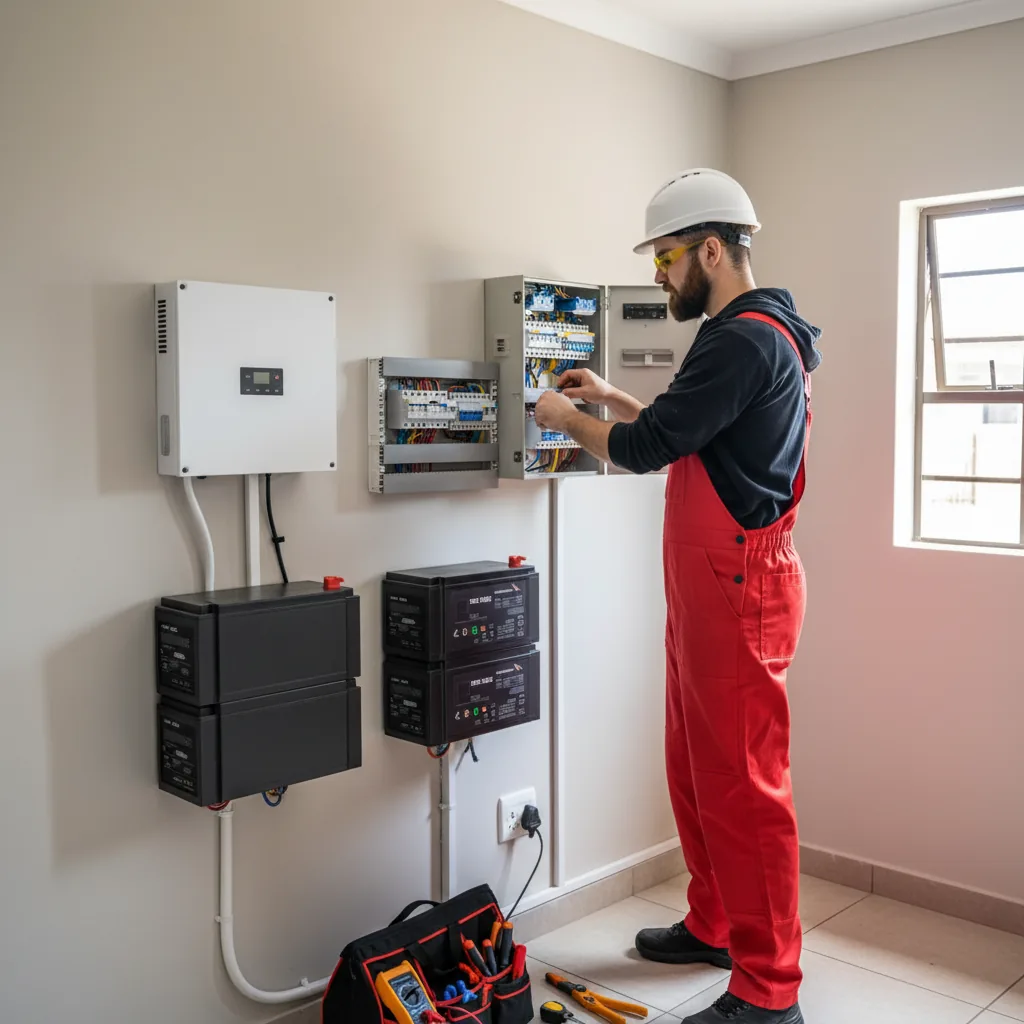
Load Shedding Solutions & Inverters Erasmuskloof from 911 Electricians Pretoria, showing a technician connecting an inverter, battery bank and distribution boards.
TRUSTED LOAD SHEDDING SOLUTIONS & INVERTERS IN ERASMUSKLOOF

Why Choose Us for Load Shedding Solutions & Inverters Erasmuskloof

A backup proposal should explain what the system will support and what it will deliberately exclude. 911 Electricians Pretoria compares the agreed loads with inverter output and usable storage, then considers how those circuits connect safely to the distribution board. Equipment position, ventilation and access also affect the installation plan. Clear operating limits help the customer avoid accidental overload while keeping future expansion choices separate from the immediate project. Load planning and safe changeover reflect the practical approach of 911 Electricians Pretoria.

  • Defined backup boundary: Selected circuits remain distinct from high-demand loads that the system is not designed to carry.
  • Usable battery capacity: Runtime estimates consider available storage rather than relying only on a battery label.
  • Safe supply changeover: The design prevents unintended interaction between utility and backup sources during operation.
  • Limits explained clearly: Customers understand load priorities, operating choices and conditions that reduce expected runtime.
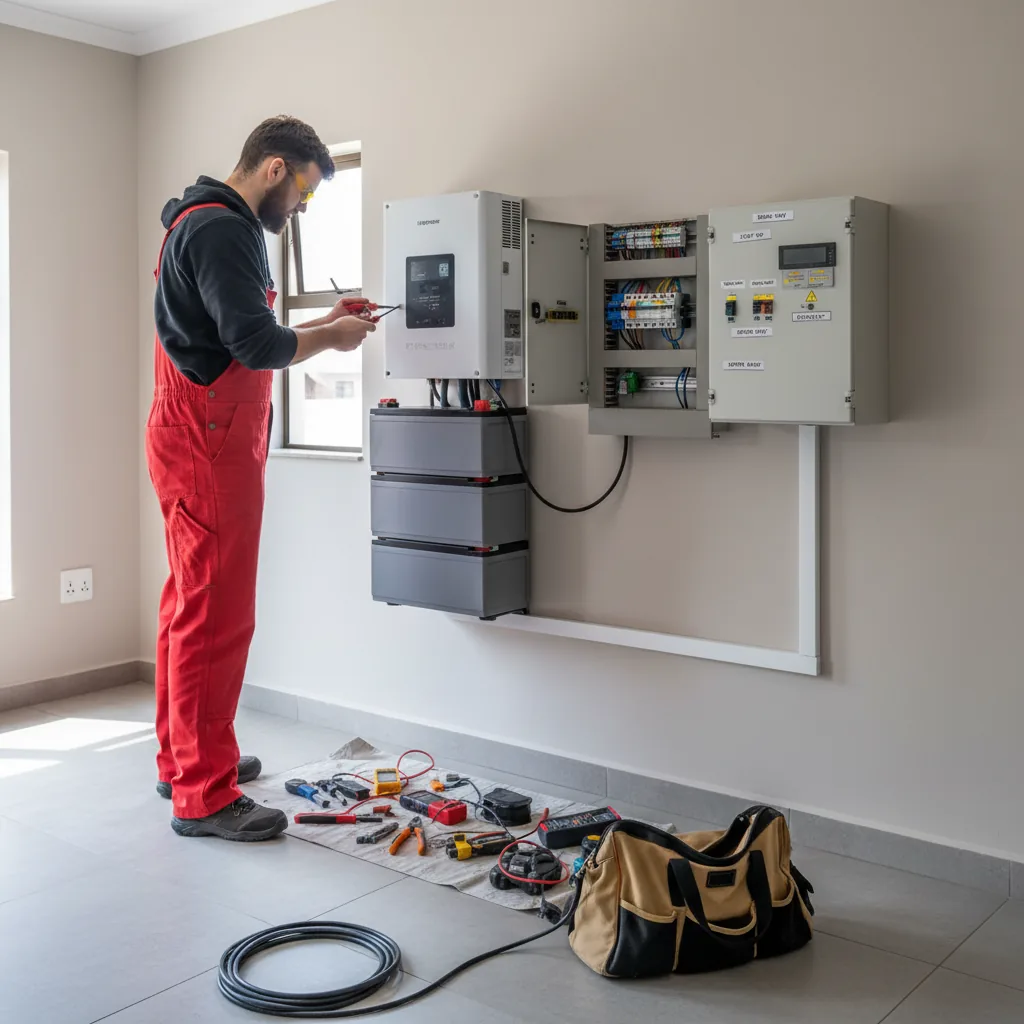
Load Shedding Solutions & Inverters Erasmuskloof from 911 Electricians Pretoria, showing a technician testing a wall-mounted inverter and battery backup system.
ERASMUSKLOOF LOAD SHEDDING SOLUTIONS & INVERTERS

Why Erasmuskloof Residents Trust Us for Load Shedding Solutions & Inverters

City information includes Erasmuskloof in municipal load-shedding schedules, but no page can promise a future stage or restoration time. A useful local solution therefore focuses on the property's own priorities and electrical layout. Testing after installation checks the agreed functions and safety elements within the completed scope. The customer then receives operating guidance tied to the actual system rather than a generic promise about uninterrupted household power.

  • Property-led priorities: Homes and businesses can choose different essential loads according to their real daily needs.
  • No schedule promises: Municipal information provides context without guaranteeing outage timing or supply restoration.
  • Completed system checks: The electrician checks relevant functions and protection within the installed backup-power scope.
  • Practical operating guidance: The handover explains load limits, battery use and safe response to an overload condition.
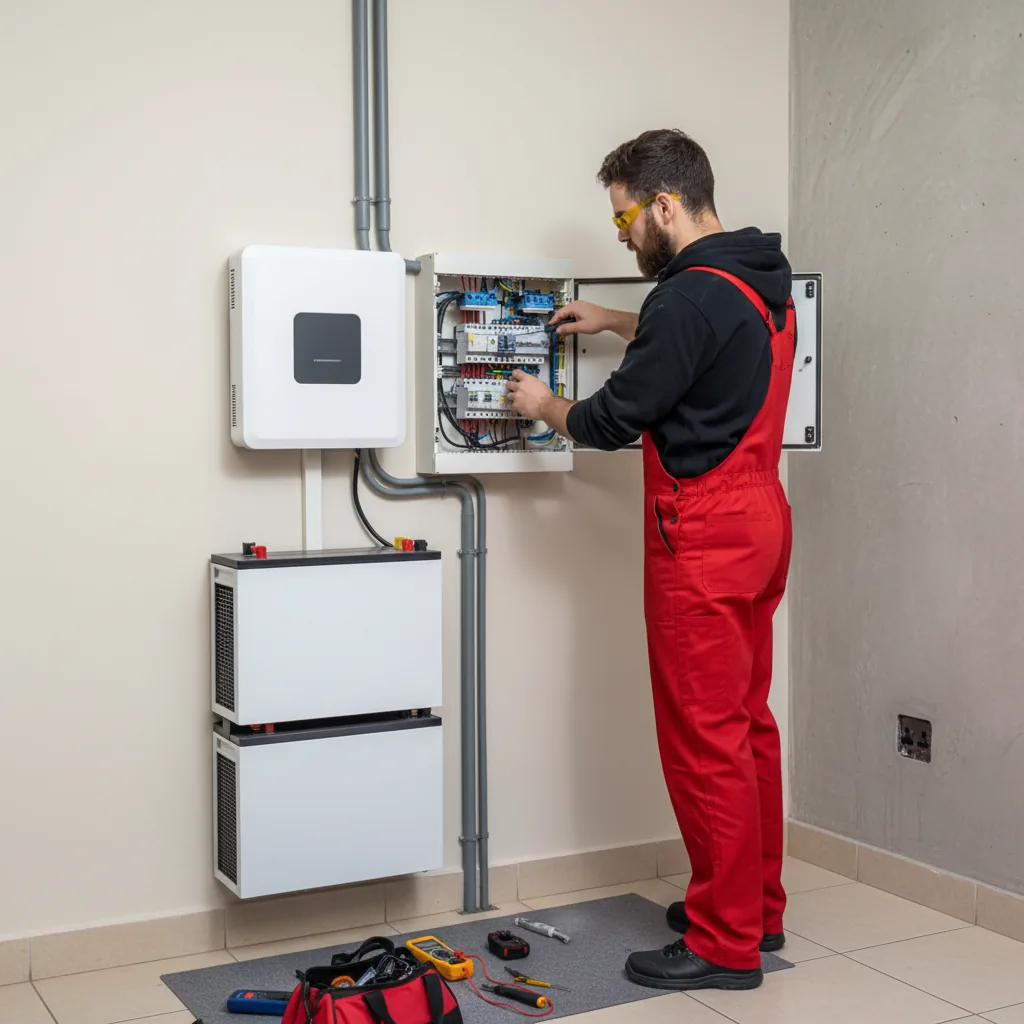
Load Shedding Solutions & Inverters Erasmuskloof from 911 Electricians Pretoria, showing a technician checking the distribution board beside an inverter and batteries.

GOT QUESTIONS?

Frequently Asked Questions About Our Load Shedding Solutions & Inverters Erasmuskloof Team

Have questions? We’ve got answers. Our Load Shedding Solutions & Inverters Erasmuskloof FAQ section covers the most common queries about our services, coverage, insurance, and emergency response so you can book with confidence.

Start with lighting, communication, refrigeration, security or work equipment that genuinely needs continuity. Rank each item by importance.

Expert insight: The electrician then checks safe circuit separation and whether their demand fits the proposed system.

Runtime depends on usable storage, connected demand, equipment efficiency and operating conditions. A battery label alone does not provide a reliable household runtime.

Expert insight: List realistic loads and hours of use. The estimate should explain assumptions and avoid promising uninterrupted operation.

Some appliances briefly draw more power when starting than during normal operation. That peak can affect inverter selection and simultaneous use.

Expert insight: Planning should consider both running demand and short peaks. Otherwise a system may overload even when average consumption appears acceptable.

High-demand circuits can reduce runtime or exceed the selected system's output. Their inclusion depends on the design and customer priorities.

Expert insight: Many practical plans keep such loads outside the essential backup boundary. The decision should follow measured or documented demand, not a blanket rule.

Safe integration needs a controlled relationship between utility and backup supplies. The exact arrangement depends on the system and existing board.

Expert insight: The proposal should explain source changeover, circuit separation and applicable protection. These are fixed-installation decisions, not plug-in convenience choices.

Position depends on ventilation, environmental conditions, cable routes, access and the equipment requirements. Convenience alone is not enough.

Expert insight: Discuss the location before installation begins. A poor position can complicate operation, inspection and future maintenance.

Some systems allow expansion, but an electrician must review compatibility, existing protection, space and the original design before adding equipment.

Expert insight: Treat future expansion as a separate design choice. Do not assume every battery and inverter combination will operate safely.

The electrician checks relevant changeover, protection, selected circuit operation and system functions within the completed installation scope.

Expert insight: The handover should state operating limits and safe overload response. It should not promise a runtime the installation cannot guarantee.

Only when the system is deliberately designed for that demand, which is not the usual goal of a limited essential-load setup.

Expert insight: A clear circuit list prevents misunderstanding. Customers should know which loads the system supports and which remain utility-only.

Call 911 Electricians Pretoria on 076 895 5655 with an essential-load list and desired operating time. Mention existing backup equipment.

Expert insight: An assessment can consider demand, board integration, equipment position and protection. The final proposal should state its assumptions and limits.

Our Electrician Stories

Load Shedding Solutions & Inverters Electrician Erasmuskloof Real Jobs, Real Solutions from 911 Electricians

Here are a few situations where our Load Shedding Solutions & Inverters service may be needed in Erasmuskloof 

A Family Prioritises Essential Loads

An Erasmuskloof family wants refrigeration, internet and selected lights available during supply interruptions. Their electrician records those priorities and compares normal demand with expected operating time. Heavy circuits remain outside the proposed backup boundary. The family can assess a system designed around daily essentials rather than every appliance in the home. Practical Tip: Separate essential devices from convenient extras before discussing inverter and battery capacity.

A Home Office Needs a Runtime Plan

A resident needs a computer, router and task lighting for a defined working period. The equipment list and realistic hours become the basis for demand and storage planning. Separate allowance for start-up loads from other selected devices keeps the plan realistic. The proposal shows which work functions the system can support and which additions would shorten runtime. Practical Tip: Record the hours each work device must operate, not only its name or plug location.

A DB Board Needs Circuit Separation

A customer chooses several essential circuits, but the existing distribution-board arrangement does not yet present a simple backup boundary. The electrician traces the relevant circuits and plans appropriate separation, protection and changeover. Equipment selection then follows that fixed-installation work. The customer receives one joined scope instead of an inverter quote that ignores the board. Practical Tip: Ask whether the electrician can identify and separate the chosen essential circuits cleanly at the board.

A Battery Position Needs Reconsideration

A preferred equipment location appears convenient but offers limited ventilation and awkward service access. The electrician discusses those constraints before finalising cable routes and the installation position. A revised proposal includes a more suitable location and explains the reasons. The customer can approve the layout before equipment placement creates a maintenance problem. Practical Tip: Consider ventilation, access and cable routes when choosing a battery and inverter location.

Unexpected Loads Reduce Backup Time

A property owner expects long runtime but also wants several non-essential devices left on the backup supply. The electrician compares those choices with usable storage and explains how added demand changes the estimate. With those trade-offs visible, the customer prioritises loads instead of relying on an optimistic calculation. The final plan gives the owner control over runtime trade-offs. Practical Tip: Removing unnecessary loads from the backup circuit list improves runtime during outages.