Load Shedding Solutions & Inverters Lynnwood Manor

On Call 24/7 - Licensed Electrician Near You

When municipal power cuts leave your home in darkness, choosing the right backup system can feel overwhelming. 911 Electricians Pretoria provides professional Load Shedding Solutions & Inverters in Lynnwood Manor to keep your essential circuits running. We assess your actual power needs, plan safe changeover switch installations, and configure reliable battery storage. Contact us on 076 895 5655 to discuss your backup requirements and confirm our current availability for a site assessment.

Get your FREE

Quote Today

SERVICE DESCRIPTION

About Our Load Shedding Solutions & Inverters Services Lynnwood Manor

A reliable backup system starts with the circuits that genuinely need power during an outage. We compare their running demand and start-up loads with the inverter output. We then match usable battery capacity to a realistic runtime target. The design also accounts for changeover, protection, earthing, ventilation and suitable equipment placement. 911 Electricians Pretoria for Lynnwood Manor backup power

  • Essential-circuit selection: Lighting, connectivity, refrigeration or other agreed loads remain separate from heavy non-essential circuits.
  • Load calculation: Running demand and start-up peaks are compared with the inverter rating.
  • Battery planning: Usable storage is matched to the expected load and desired runtime.
  • Safe integration: Changeover, overcurrent protection, earthing and cable routes form part of the installation plan.
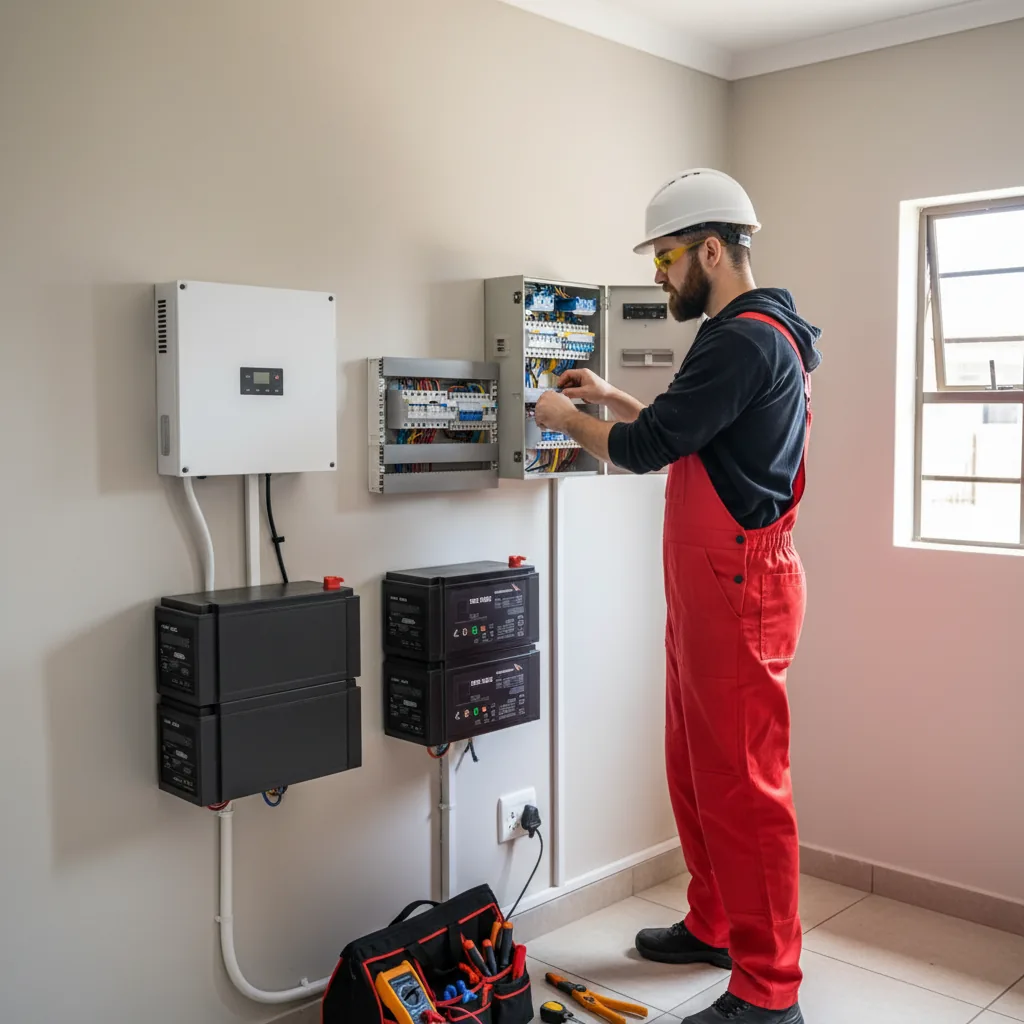
Load Shedding Solutions & Inverters Lynnwood Manor from 911 Electricians Pretoria, showing a technician connecting an inverter, battery bank and distribution boards.
TRUSTED LOAD SHEDDING SOLUTIONS & INVERTERS IN LYNNWOOD MANOR

Why Choose Us for Load Shedding Solutions & Inverters Lynnwood Manor

Backup power should work without creating unsafe backfeed, nuisance shutdowns or unrealistic runtime expectations. We size the system from measured and stated loads, then plan how it connects to the distribution board. Commissioning checks the changeover, connected circuits and operating limits before the owner receives a practical explanation of daily use. 911 Electricians Pretoria in Lynnwood Manor

  • System sized to demand: The inverter and battery are selected for the circuits they must support.
  • Protected changeover: The installation keeps the backup source and municipal supply appropriately separated.
  • Commissioning under load: Connected circuits are checked while the system changes between supply modes.
  • Useful operating guidance: The handover explains priorities, warnings, shutdowns and practical battery limits.
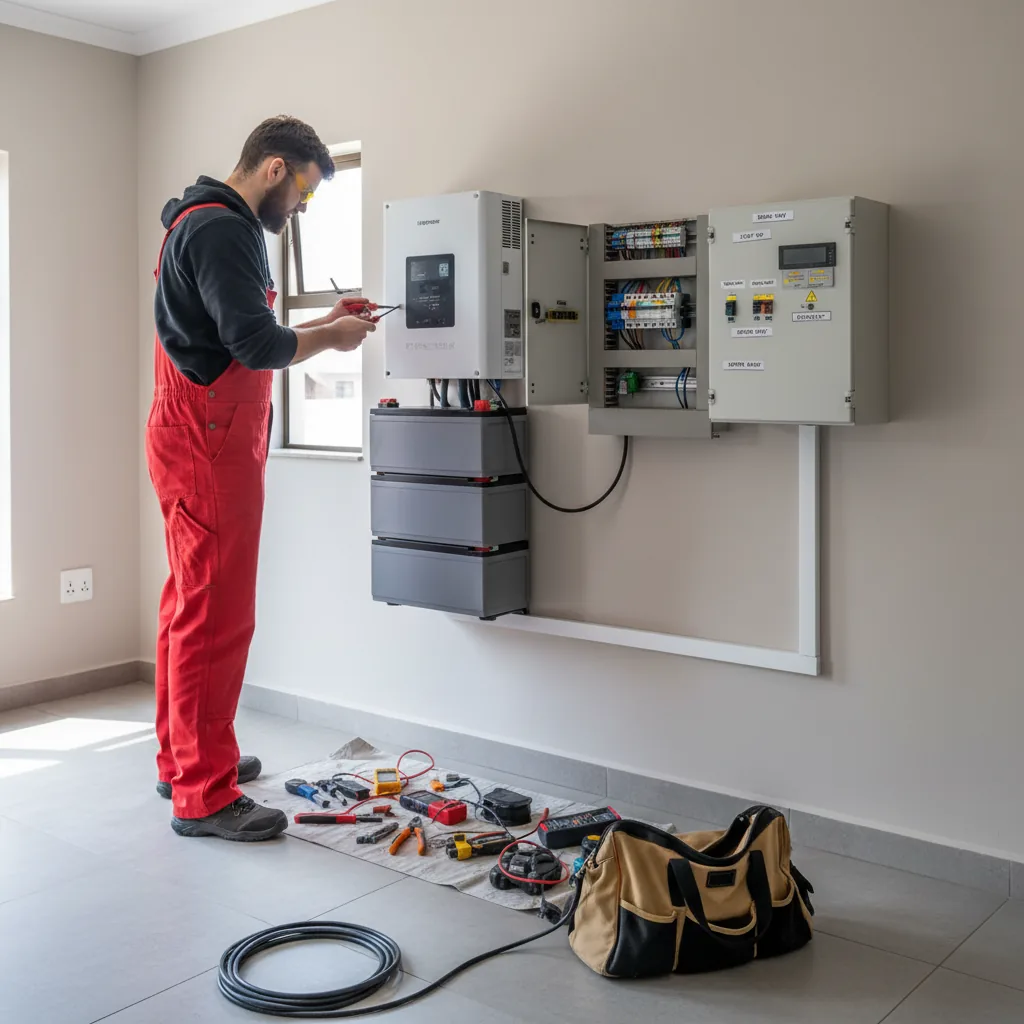
Load Shedding Solutions & Inverters Lynnwood Manor from 911 Electricians Pretoria, showing a technician testing a wall-mounted inverter and battery backup system.
LYNNWOOD MANOR LOAD SHEDDING SOLUTIONS & INVERTERS

Why Lynnwood Manor Residents Trust Us for Load Shedding Solutions & Inverters

A well-planned backup installation gives the property a predictable set of powered circuits and a clear operating limit. The final checks confirm the changeover function, protection and connected loads. Residents also know which appliances remain outside the backup supply and how to respond to a warning or shutdown.

  • Known backup boundary: The distribution board labels show which circuits the inverter supports.
  • Checked transitions: Commissioning confirms how the system responds when the normal supply falls away and returns.
  • Protected installation: Earthing, overcurrent protection and cable connections receive checks within the completed scope.
  • Realistic runtime: The handover relates expected battery use to the agreed essential loads.
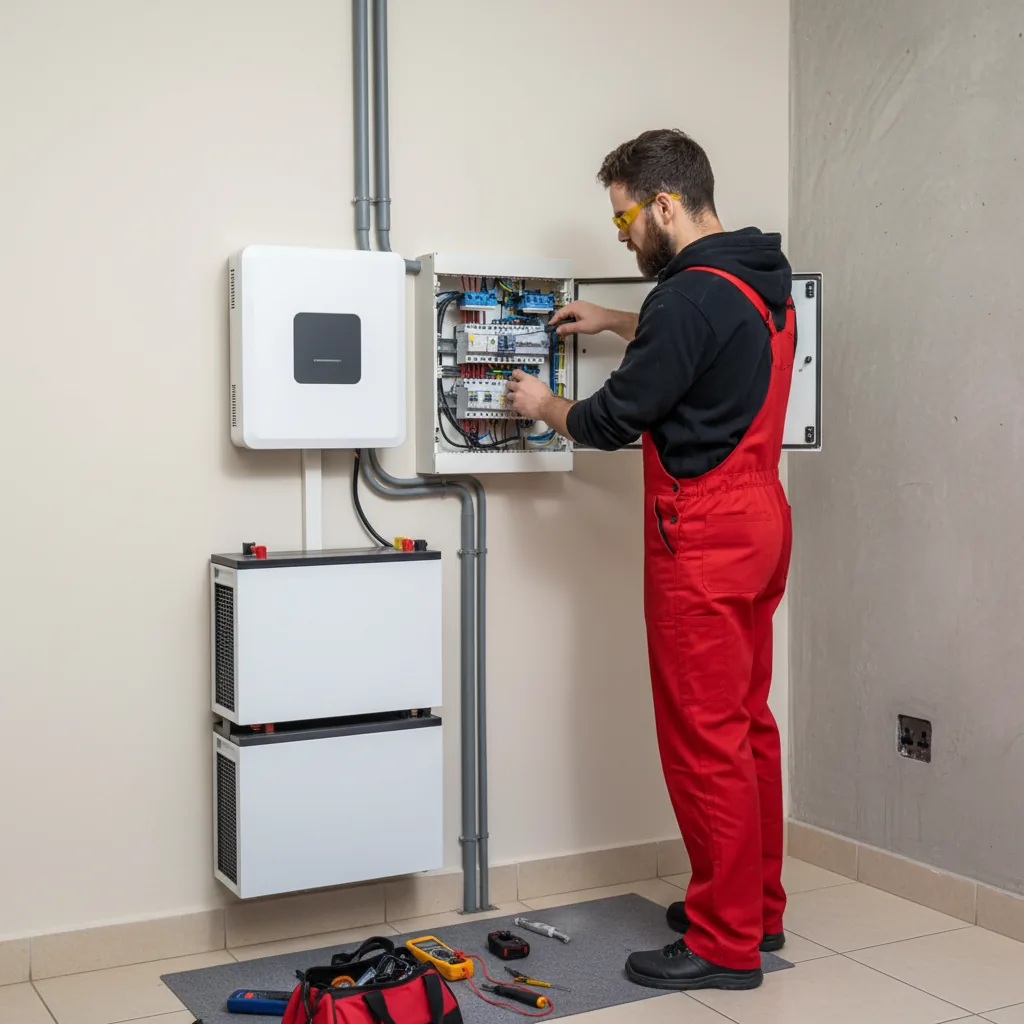
Load Shedding Solutions & Inverters Lynnwood Manor from 911 Electricians Pretoria, showing a technician checking the distribution board beside an inverter and batteries.

GOT QUESTIONS?

Frequently Asked Questions About Our Load Shedding Solutions & Inverters Lynnwood Manor Team

Have questions? We’ve got answers. Our Load Shedding Solutions & Inverters Lynnwood Manor FAQ section covers the most common queries about our services, coverage, insurance, and emergency response so you can book with confidence.

Choosing backup circuits requires separating essential low-draw loads from heavy appliances. We recommend prioritizing lighting, security systems, internet routers, and refrigeration. This selective approach prevents your battery bank from draining too quickly during municipal outages.

Expert insight: High-draw loads such as geysers, stoves or underfloor heating need individual assessment before they enter a backup plan. Circuit selection should reflect the inverter rating, battery target and the owner's priorities.

An inverter may trip when power returns because of transfer settings, an unsuitable changeover arrangement, a connected-load surge or a fault elsewhere in the system. The event needs testing before anyone changes components.

Expert insight: An electrician can review the changeover, protection, incoming supply and inverter event information. The repair or setting change should follow the confirmed cause rather than an assumption about every grid restoration.

Running demand is the continuous power an appliance consumes while operating normally. Start-up load is the brief, high-energy spike required to start motorized appliances, such as refrigerators, air conditioners, or borehole pumps, which can overload an under-sized inverter.

Expert insight: Both values matter when selecting equipment. The inverter's continuous and surge capabilities need to suit the planned circuit group so a normal appliance start does not force an avoidable shutdown.

Battery planning starts with the total load, desired runtime and usable portion of the selected battery. Inverter losses, battery limits and future additions also affect the practical result.

Expert insight: A 500-watt load running for four hours uses about 2 kWh before system losses and reserve limits. The final battery choice should follow verified compatibility and the manufacturer's operating requirements.

The equipment needs a dry, ventilated position that stays within the manufacturer's temperature and clearance requirements. Cable routes, access, noise and protection from accidental contact also matter.

Expert insight: The site assessment should confirm the actual equipment specifications before a position is chosen. Enclosed cupboards, direct sun and obstructed ventilation can cause heat or access problems.

Earthing and protective-device operation must suit the backup system in both supply modes. A change in source can affect how fault protection operates, so the design needs a complete assessment.

Expert insight: The electrician checks the earthing, neutral arrangement and relevant protective devices for the selected equipment and installation. The correct method depends on the system design rather than one universal connection rule.

A manual changeover needs deliberate operation, while an automatic arrangement changes supply without the same user step. Transfer behaviour, equipment compatibility, budget and the required circuits all influence the choice.

Expert insight: Whichever option is selected, it must provide suitable separation between supply sources and work with the installation's protection. The electrician should explain the operating sequence before handover.

During commissioning, we check the completed connections, changeover function and operating response before handover. We test the changeover switch, measure earthing resistance, and simulate power failures to observe how the system handles the load.

Expert insight: Once we confirm everything is safe, we program the inverter settings to match your battery chemistry. We then walk you through the system's operation, explaining warning lights and load limits before handing it over.

Yes, many modern hybrid inverters allow you to add more batteries or solar panels in the future. However, it is crucial to choose an expandable inverter model during the initial installation to avoid replacing the entire unit later.

Expert insight: We help you plan for future growth by selecting compatible components from the start. This foresight allows you to scale up your storage capacity or transition to solar power smoothly as your budget permits.

Keep the equipment area clean, dry and ventilated, and respond to warnings in the manufacturer's instructions. Do not open battery or inverter enclosures unless the maintenance guidance specifically allows it.

Expert insight: Inspection intervals depend on the equipment, environment and installation. Periodic checks can cover cable condition, ventilation, warnings, protective devices and manufacturer-recommended software or firmware updates.

Our Electrician Stories

Load Shedding Solutions & Inverters Electrician Lynnwood Manor Real Jobs, Real Solutions from 911 Electricians

Here are a few situations where our Load Shedding Solutions & Inverters service may be needed in Lynnwood Manor 

A small inverter shuts down when the kettle starts in Lynnwood Manor

A household can run lights and internet, but the inverter stops when someone adds a high-draw appliance. The electrician compares the connected demand with the inverter rating and moves the heavy circuit outside the backup supply. The remaining essential loads then operate within the planned limit. Practical Tip: Do not judge system size from battery capacity alone; inverter output and start-up demand also matter.

Battery runtime falls short of expectations in Lynnwood Manor

An owner expects an overnight runtime while several appliances remain on the backup circuits. A load review shows which devices consume most of the stored energy. The electrician adjusts the circuit priorities and the owner receives a realistic runtime guide for the agreed load. Practical Tip: Runtime improves when the owner removes unnecessary loads before adding more battery capacity.

A changeover arrangement needs correction in Lynnwood Manor

A property has a backup source, but the supply arrangement does not provide a clear separation from the municipal feed. The electrician isolates the system and plans a suitable changeover connection with the required protection. Commissioning checks the transition before the backup circuits return to use. Practical Tip: A generator or inverter should never feed the property through an ordinary wall socket.

The system alarms during start-up in Lynnwood Manor

A business owner hears an inverter alarm when several office devices restart together. The electrician observes the start-up demand and identifies a short peak above the planned load. Separating non-essential equipment prevents the repeat shutdown without changing healthy circuits. Practical Tip: Tell the installer which equipment starts automatically after an outage; start-up peaks can be higher than normal running demand.

New backup circuits need clear DB labels in Lynnwood Manor

A homeowner is unsure which rooms should stay powered when the grid fails. The electrician traces the selected circuits and updates the distribution-board schedule during commissioning. The owner can then manage the backup load without guessing which breakers belong to the inverter. Practical Tip: Keep the backup-circuit list beside the board and update it whenever the installation changes.