Load Shedding Solutions & Inverters Mooikloof Ridge

On Call 24/7 - Licensed Electrician Near You

Load Shedding Solutions & Inverters Mooikloof Ridge planning starts with a useful equipment list. Keeping a router and desk running differs from supplying several appliances together, and a fixed connection needs attention to the installation. Tell us what you need during an interruption. Call 911 Electricians Pretoria on 076 895 5655 to discuss demand, available space and the work your proposed backup arrangement involves.

Get your FREE

Quote Today

SERVICE DESCRIPTION

About Our Load Shedding Solutions & Inverters Services Mooikloof Ridge

Choose the purpose of the backup supply before choosing its size. The equipment running together affects the required output, while consumption over time affects stored-energy needs. An electrician can assess the proposed loads and any fixed-wiring connection. Existing circuits, protection and changeover arrangements also matter. For a unit, confirm suitable equipment space and any permission relevant to the actual proposal. A portable product and an inverter connected to the installation should not be treated as the same project. For a wiring concern outside the backup proposal, review our electrician services in Mooikloof Ridge.

  • List Essential Equipment: Identify the equipment you need together and distinguish it from loads you can leave off during backup use.
  • Assess Connection Needs: Fixed-wiring work requires consideration of the existing circuits, relevant protection and the intended supply arrangement.
  • Compare Output And Energy: Ask how the proposed system supports simultaneous demand and how actual use affects its likely operating duration.
  • Confirm The Proposed Position: Equipment space, access and manufacturer requirements need consideration before agreeing where the inverter and battery will go.
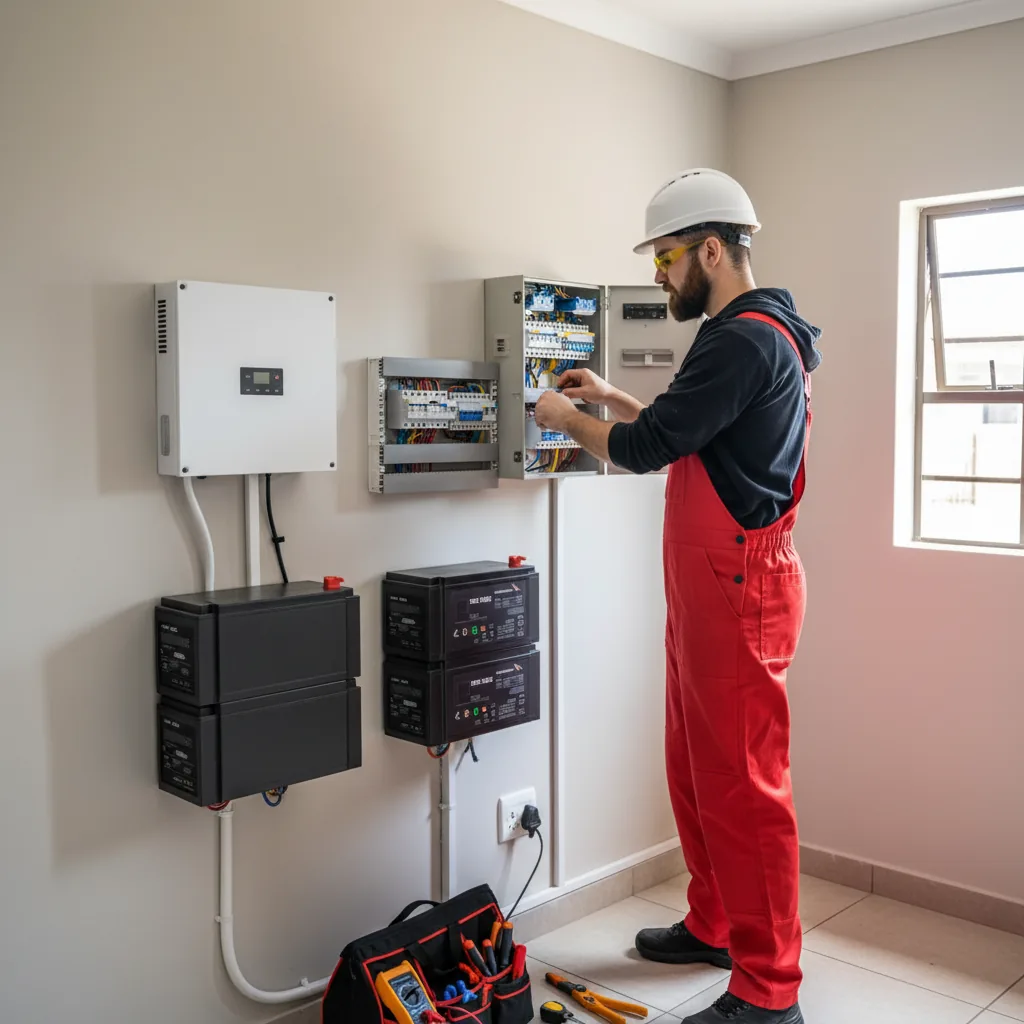
Load Shedding Solutions & Inverters Mooikloof Ridge from 911 Electricians Pretoria, showing a technician connecting an inverter, battery bank and distribution boards.
TRUSTED LOAD SHEDDING SOLUTIONS & INVERTERS IN MOOIKLOOF RIDGE

Why Choose Us for Load Shedding Solutions & Inverters Mooikloof Ridge

A battery specification cannot tell you how a complete backup arrangement will serve your daily use. We discuss the loads and the installation work behind the proposal, so the quotation reflects more than equipment alone. Ask what the system includes, what it excludes and which assumptions support any runtime estimate. If you already have backup equipment, its condition and compatibility need assessment. Buying another component before that check can leave practical connection or operating questions unresolved. Share the loads you need to keep running with 911 Electricians Pretoria.

  • A Defined Backup Scope: The quotation should distinguish equipment supply, fixed connections, relevant testing and any separate work needed on existing circuits.
  • Realistic Operating Advice: Runtime guidance should relate to the loads and conditions discussed rather than promise one duration for every household.
  • Existing Equipment Review: Share details of current inverters and batteries before assuming that a new component will suit the arrangement.
  • Permission Questions Early: Raise owner or scheme requirements before installation without assuming that every proposal needs the same type of consent.
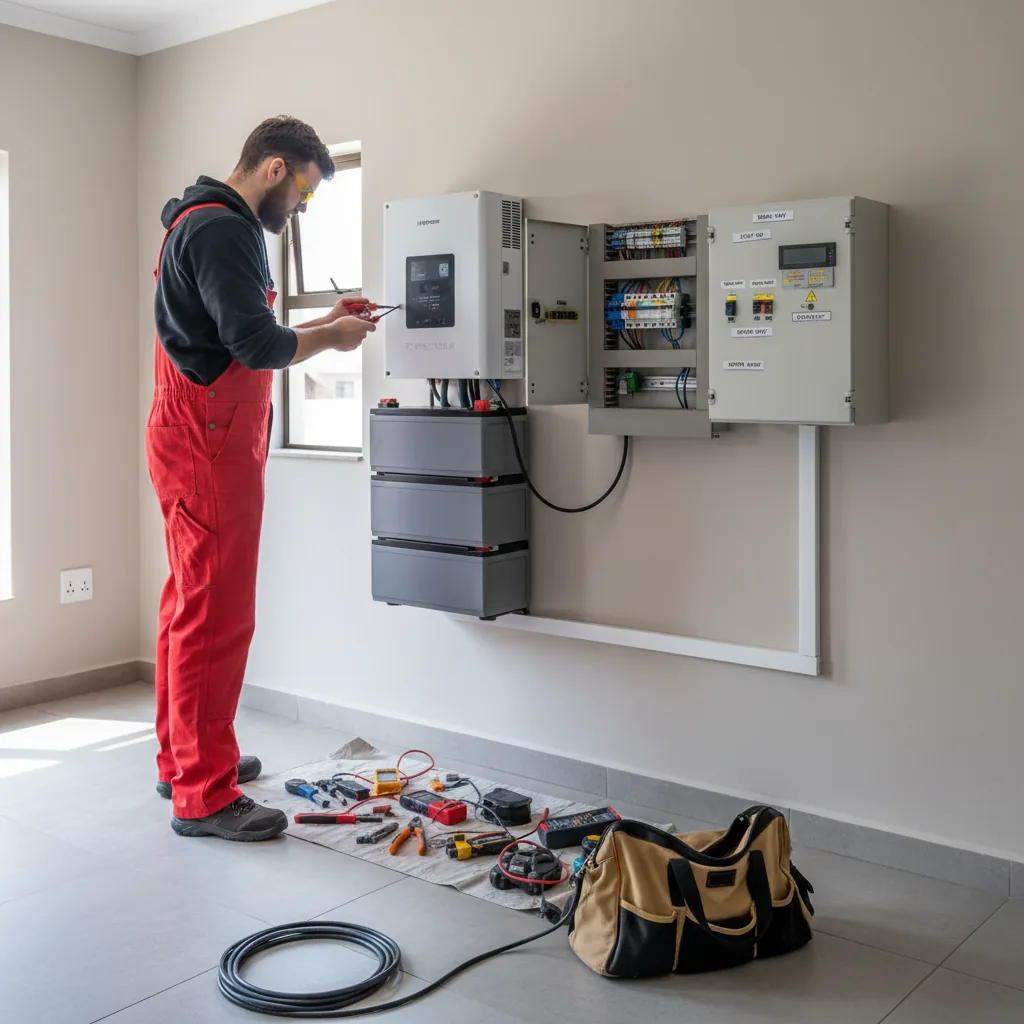
Load Shedding Solutions & Inverters Mooikloof Ridge from 911 Electricians Pretoria, showing a technician testing a wall-mounted inverter and battery backup system.
MOOIKLOOF RIDGE LOAD SHEDDING SOLUTIONS & INVERTERS

Why Mooikloof Ridge Residents Trust Us for Load Shedding Solutions & Inverters

An agreed backup installation needs a handover that makes its intended use clear. Understand which circuits it supplies, how the installed changeover operates and what the equipment indications mean. The electrician can explain the checks relevant to the work and any further certification required. Keep operating instructions and system details with the unit's records. If your equipment use later changes, review the demand rather than assuming that spare sockets represent unused inverter capacity.

  • Know The Supplied Loads: Identify the circuits or equipment included in the arrangement and any loads that must remain outside its scope.
  • Understand Normal Operation: Ask for operating guidance relevant to the installed equipment, including its normal indications and any restrictions on use.
  • Keep System Details: Retain the equipment information and documents supplied for the installation so later assessments can consider the actual arrangement.
  • Review Before Expansion: Extra appliances or batteries may change the proposal and need assessment before you expand the backup installation.
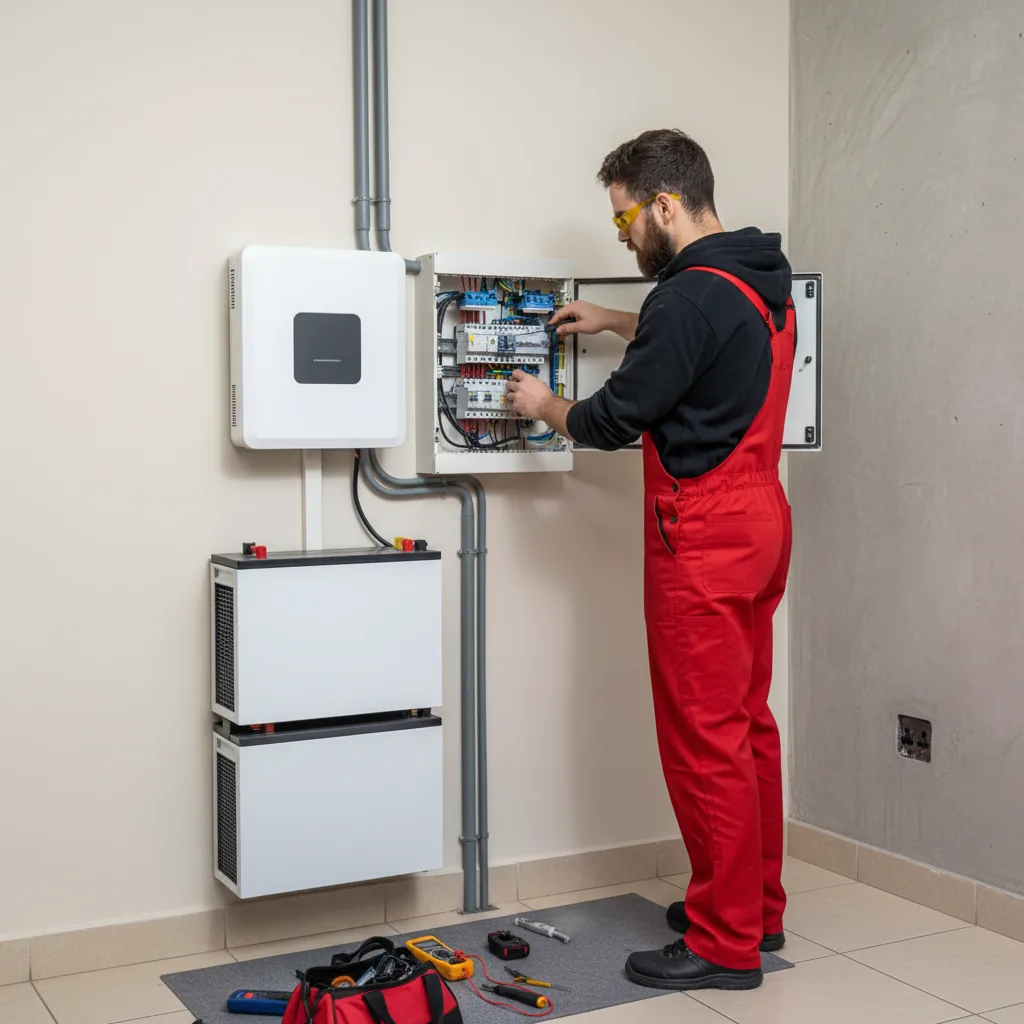
Load Shedding Solutions & Inverters Mooikloof Ridge from 911 Electricians Pretoria, showing a technician checking the distribution board beside an inverter and batteries.

GOT QUESTIONS?

Frequently Asked Questions About Our Load Shedding Solutions & Inverters Mooikloof Ridge Team

Have questions? We’ve got answers. Our Load Shedding Solutions & Inverters Mooikloof Ridge FAQ section covers the most common queries about our services, coverage, insurance, and emergency response so you can book with confidence.

List the equipment you need to run together and how you normally use it. Include accessories and appliances that may start automatically, rather than choosing a system from the number of rooms in the unit.

Expert insight: Separate essential loads from items you can leave off during backup use. The electrician can then discuss the required output, energy needs and connection work without assuming that every existing circuit belongs in the proposal.

Only the loads supported by the assessed arrangement should be included in its intended use. An inverter does not automatically supply every appliance or circuit just because it is installed inside the same unit.

Expert insight: Ask which loads the quotation covers and which must remain outside the backup supply. Heating appliances and other substantial loads can change the requirements. Describe them before agreeing a system or expanding an existing one.

Output concerns the demand the equipment can supply at a time. Stored energy, actual consumption and operating conditions also affect runtime. A capacity figure therefore cannot specify one duration for every load.

Expert insight: Ask which equipment and usage assumptions support an estimate. If you later add loads or change how you use them, review those assumptions instead of expecting the original estimate to remain unchanged.

No. A portable product and an arrangement connected to fixed wiring involve different connection and operating questions. Explain how you intend to use the equipment before deciding what installation work or professional assessment may be necessary.

Expert insight: Do not improvise a connection between a portable supply and household wiring. Discuss fixed-circuit requirements with an electrician and follow the relevant equipment instructions, rather than assuming that matching plugs establish a suitable arrangement.

The permission question depends on your tenancy, the scheme's requirements and the actual proposal. Confirm the requirements with the appropriate owner or authorised representative before installation. Fixed-wiring changes, shared areas and equipment placement may affect that discussion.

Expert insight: Describe the proposed work clearly when seeking agreement. Another resident's system does not establish permission for your design. The electrician still needs to assess the relevant installation and connection before recommending the work.

An addition needs assessment of the existing inverter, battery arrangement and intended use. Compatibility and installation condition matter, so an extra battery should not be selected only because its advertised energy capacity looks suitable.

Expert insight: Share the current equipment details and installation records when discussing expansion. Ask what changes, checks and operating guidance the proposal includes. Buying extra storage does not establish that the existing system can accept it.

Ask the quotation to identify the equipment, supported loads and installation work. Fixed connections, protection, changeover, relevant testing and any separate circuit corrections need clear treatment so you can understand the proposed arrangement and exclusions.

Expert insight: Discuss equipment placement and any making-good work before approving installation. The proposal may depend on assumptions about existing wiring or access. Ask how assessment findings could change the scope or require additional costs.

A product warranty and the condition of fixed wiring are different matters. Read the supplied terms and ask what they cover; buying warranted equipment does not establish that every connection or circuit in a unit is suitable.

Expert insight: The proposed installation still needs relevant assessment, testing and consideration of certification requirements. Keep equipment documents and the records supplied for the electrical work together so later questions can address the actual arrangement.

Understand the loads included, the equipment's intended operation and any use restrictions. Ask about normal indications and the instructions relevant to your installed arrangement, rather than relying on controls shown for a different product.

Expert insight: Retain the system details and documents supplied for the work. Follow the supplied instructions if an unfamiliar warning or fault appears. Seek suitable assistance rather than changing fixed connections or trying another product's operating procedure.

Review the loads and the existing arrangement before adding equipment or changing the intended use. A system selected for a desk and router may need a different assessment when additional household appliances become essential.

Expert insight: Describe the revised demand and share the current installation details with the electrician. A further quotation can then address supported changes, relevant checks and permissions, rather than assuming the first proposal covered every future addition.

Our Electrician Stories

Load Shedding Solutions & Inverters Electrician Mooikloof Ridge Real Jobs, Real Solutions from 911 Electricians

Here are a few situations where our Load Shedding Solutions & Inverters service may be needed in Mooikloof Ridge 

A Home Desk Needs A Short Load List

A Mooikloof Ridge resident wants to keep a computer and internet equipment available during an interruption. The resident can list those loads separately from household appliances that need not run at the same time. An electrician can assess their demand and the proposed connection before recommending equipment. If a fixed circuit is part of the plan, the related installation work also belongs in the quotation. The resulting handover can explain the intended desk loads and operating limits instead of describing the system as backup for everything in the unit. Practical Tip: Include monitors, network equipment and other accessories in the desk load list, rather than considering the computer alone when discussing backup demand.

A Fridge Changes The Backup Discussion

An owner in Mooikloof Ridge adds a fridge to a backup enquiry that initially concerned lights and a router. That change needs discussion before the same equipment recommendation carries forward. The electrician can consider the appliance's demand, operating pattern and the arrangement's available output. A suitable proposal can then identify which other loads may run alongside it. This keeps the recommendation tied to the revised purpose and allows operating advice to reflect the actual equipment, rather than treating every socket appliance as an equivalent addition. Practical Tip: Tell the installer about appliances you intend to add before accepting a quotation, and ask whether the proposed equipment supports their demand.

A Rental Needs Installation Agreement

A tenant in Mooikloof Ridge asks about backup power for a rented unit. A portable product may involve different practical questions from a system connected to fixed wiring. Before choosing equipment, the tenant can discuss the intended use and confirm the owner's position on any installation changes. The electrician can explain the proposed circuit work and relevant checks if a fixed connection is appropriate. Clear agreement on that scope helps avoid buying equipment that later needs an unapproved cable route or a different location. Practical Tip: Confirm the proposed installation changes with the appropriate owner or agent before purchasing equipment on the assumption that a fixed connection will be permitted.

An Existing Battery Raises Expansion Questions

A Mooikloof Ridge resident considers adding storage to an existing inverter because the original arrangement no longer supports the desired use. The current equipment details and the changed load list provide a starting point for assessment. Compatibility, condition and the electrical arrangement need consideration before recommending an addition. If a suitable expansion is possible, its scope and operating limits can be explained in a revised proposal. A larger advertised energy figure alone cannot settle whether the current system can safely accept a particular battery. Practical Tip: Provide the existing equipment details and explain how your use has changed, so the expansion enquiry addresses both the system and the demand.

A New Unit Needs A Clear Handover

A resident moves into a Mooikloof Ridge unit that already has backup equipment but little information about the circuits it supplies. The useful next step is an assessment of the actual arrangement, not assumptions based on visible sockets. The electrician can identify the relevant equipment and explain any concerns found within the agreed scope. If corrections are needed, they can be considered separately before normal use is advised. A clear record of supplied loads and operating instructions then helps the resident use the assessed system as intended. Practical Tip: Ask the owner for available installation and operating records, and avoid adding large loads before the backup arrangement and its limits are understood.