Load Shedding Solutions & Inverters Woodhill

On Call 24/7 - Licensed Electrician Near You

Load Shedding Solutions & Inverters Woodhill planning begins with the part of your day that needs power most. A home-working desk, security equipment and selected household loads need a suitable circuit arrangement as well as battery capacity. We assess demand, existing wiring and changeover before recommending a system. Discuss your home or business priorities with 911 Electricians Pretoria on 076 895 5655, including the equipment you expect to use together.

Get your FREE

Quote Today

SERVICE DESCRIPTION

About Our Load Shedding Solutions & Inverters Services Woodhill

An inverter proposal needs a defined group of loads and a suitable connection to the fixed installation. We consider their running demand, starting requirements and likely operating time. The existing board, protection, earthing and changeover arrangement also need assessment. For a Woodhill household working through the day, connectivity may matter more than supplying every appliance. A small business may instead prioritise payment equipment and selected lighting, with exclusions made clear before installation. Any fixed-circuit repair needed alongside the backup proposal falls within our electrician services in Woodhill.

  • Essential circuits selected: The proposed backup group follows actual use rather than assuming the whole building should remain supplied.
  • Output and energy distinguished: Inverter output and usable battery energy answer different questions about simultaneous demand and operating time.
  • Supply sources controlled: Suitable changeover and protection prevent the backup arrangement from relying on unsafe or improvised connections.
  • Commissioning with the user: Relevant checks and an explanation of circuit limits help occupants understand the completed installation.
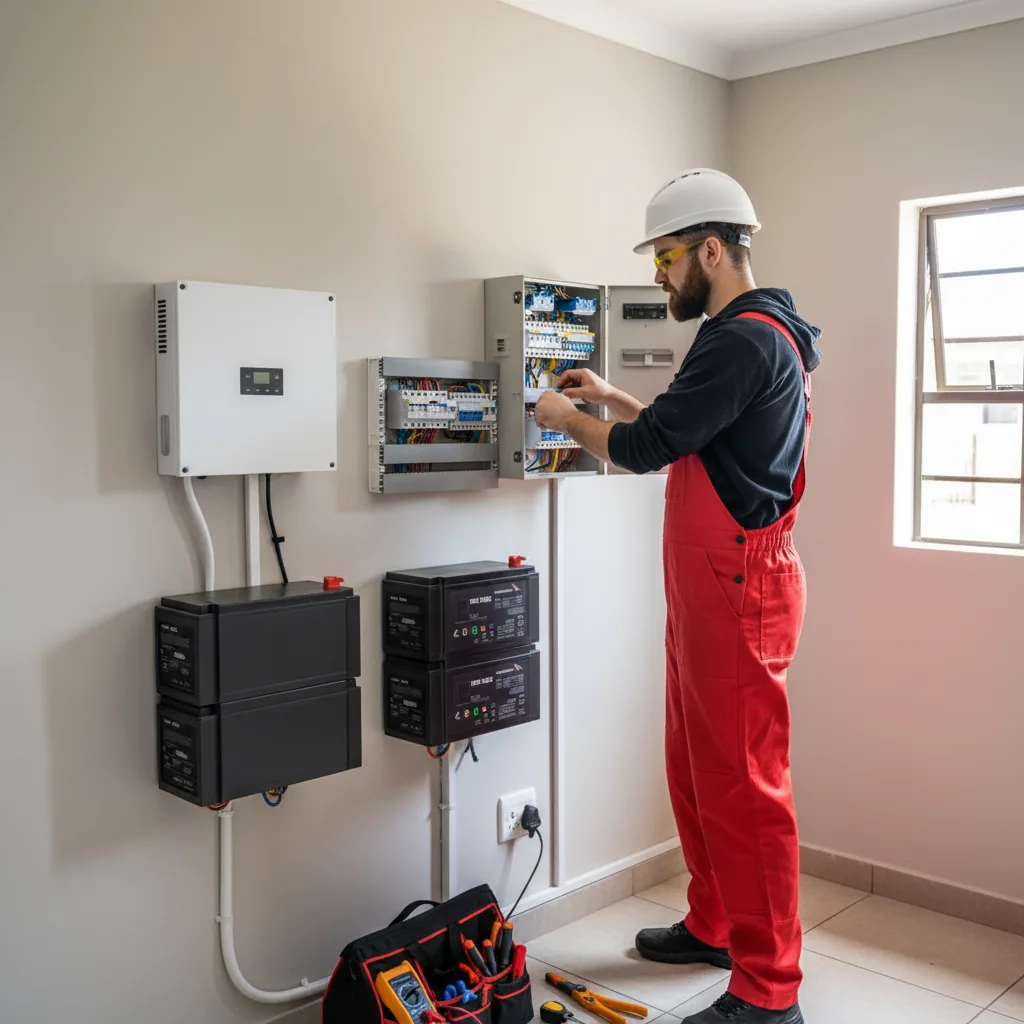
Load Shedding Solutions & Inverters Woodhill from 911 Electricians Pretoria, showing a technician connecting an inverter, battery bank and distribution boards.
TRUSTED LOAD SHEDDING SOLUTIONS & INVERTERS IN WOODHILL

Why Choose Us for Load Shedding Solutions & Inverters Woodhill

A battery that looks large on paper can still disappoint when the equipment list or usage changes. We explain the assumptions behind a recommendation so you can compare the proposal with your routine. Existing backup equipment also needs assessment before adding another battery or circuit. Woodhill owners can discuss a practical upgrade without assuming every component is compatible. The aim is a system you understand, with clear limits instead of a runtime promise detached from actual use. Discuss the circuits you want to keep running with 911 Electricians Pretoria.

  • The load list explained: We distinguish must-run equipment from convenience loads so the proposal reflects priorities you can review.
  • Existing equipment considered: Compatibility and installation condition matter before new components join an older backup arrangement.
  • Realistic operating assumptions: Expected duration accounts for the selected equipment, battery limits and the way you intend to use it.
  • A usable circuit plan: You can identify backed-up points and understand which equipment should stay outside that group.
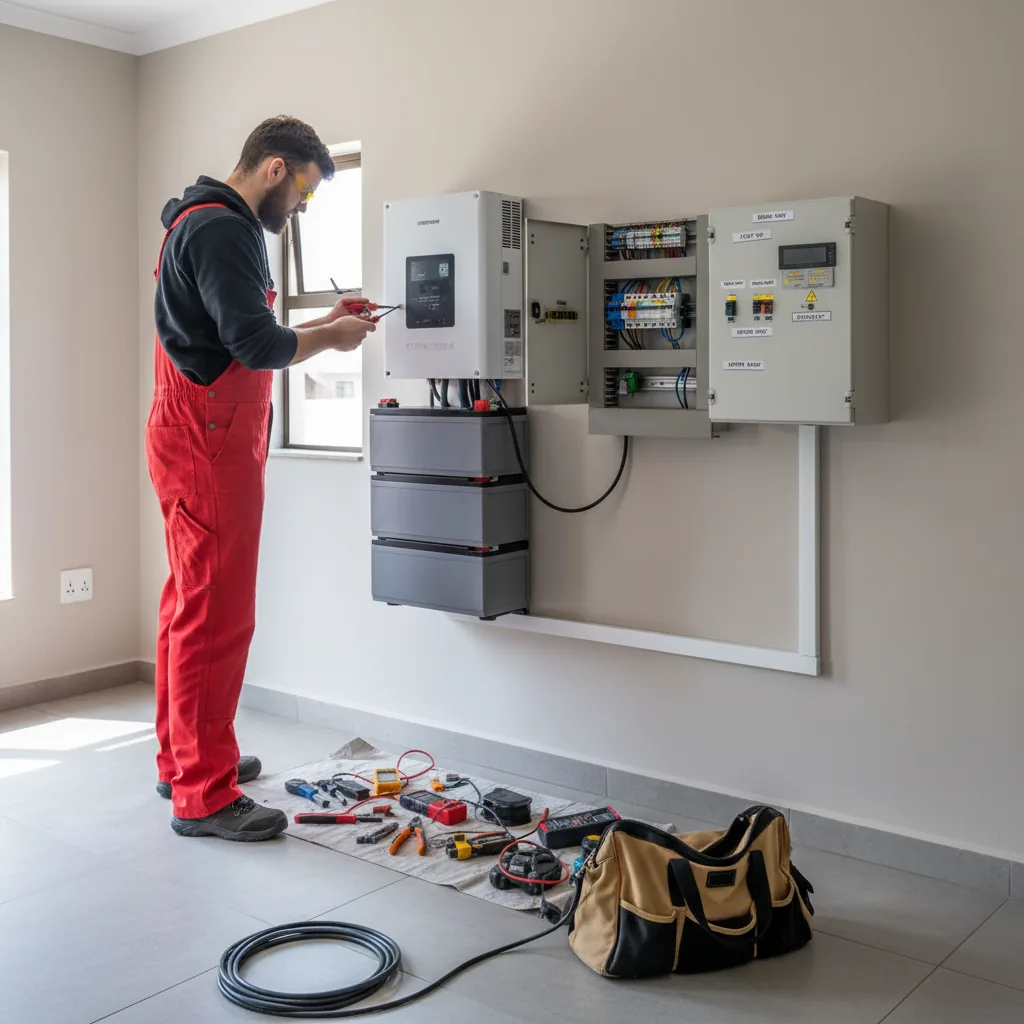
Load Shedding Solutions & Inverters Woodhill from 911 Electricians Pretoria, showing a technician testing a wall-mounted inverter and battery backup system.
WOODHILL LOAD SHEDDING SOLUTIONS & INVERTERS

Why Woodhill Residents Trust Us for Load Shedding Solutions & Inverters

After commissioning, occupants need to know which points the inverter supplies and how their choices affect it. We explain the selected loads and any operating restrictions, alongside the relevant checks on the work. A Woodhill family can then plan evening use without confusing backup points with ordinary supply points. A business contact can brief staff on equipment priorities. Changes to the building or equipment list need a review rather than an assumption that the original arrangement still fits.

  • Identified backup points: Clear circuit information reduces confusion when some outlets work during an interruption and others do not.
  • Demand within system limits: Occupants understand why adding a heater or another large appliance can change the system’s behaviour.
  • Commissioned integration: Checks address the installed changeover, protection and connections within the agreed electrical work.
  • Expansion discussed properly: Later additions need a fresh compatibility and load review instead of another unexamined connection.
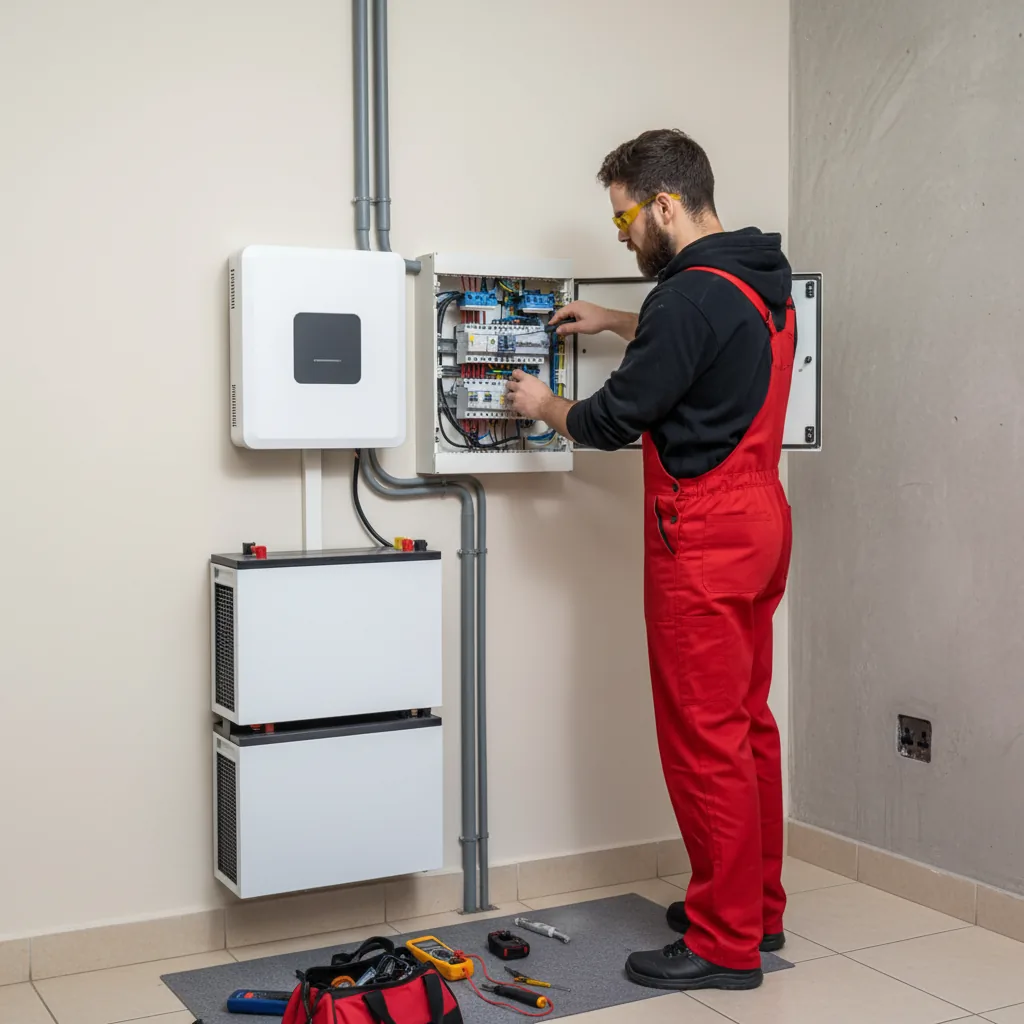
Load Shedding Solutions & Inverters Woodhill from 911 Electricians Pretoria, showing a technician checking the distribution board beside an inverter and batteries.

GOT QUESTIONS?

Frequently Asked Questions About Our Load Shedding Solutions & Inverters Woodhill Team

Have questions? We’ve got answers. Our Load Shedding Solutions & Inverters Woodhill FAQ section covers the most common queries about our services, coverage, insurance, and emergency response so you can book with confidence.

Start with equipment that genuinely needs to keep operating, then identify the circuits serving it. Selected lights, connectivity and security may take priority over high-demand convenience appliances. The electrician checks the intended group against the system and existing installation.

Expert insight: A room-based list can miss other points sharing the same circuit. Explain the equipment and when it runs so selection follows actual connections and demand. That makes the proposal easier to compare with your everyday routine rather than a general whole-home expectation.

Inverter output limits the power the system can supply at a given time. Battery capacity relates to stored energy available for use under stated conditions. A larger battery does not automatically allow the inverter to run more equipment simultaneously.

Expert insight: Starting requirements can also affect equipment choice. Ask the installer to explain both the simultaneous load and expected energy use for the proposed circuits. Comparing only one capacity figure can hide a mismatch even when the other component appears generously sized.

Expected runtime depends on the actual load, usable battery energy, system losses and operating settings. The estimate also changes when equipment runs for longer or more appliances operate together. Ask which load list and conditions the proposed duration assumes.

Expert insight: A battery figure by itself cannot answer the question. For example, selected lights and connectivity create different consumption from heating equipment. Discuss the routine you want to maintain, then compare the estimate against that routine. Occupants need to understand the selected loads too, because an extra appliance at a backed-up socket can change the plan.

Possibly, if the system and installation suit the running and starting requirements. Motor loads can draw differently when starting. The electrician needs the equipment details and simultaneous-load plan before advising whether it belongs in the selected backup group.

Expert insight: Do not decide from battery capacity alone or assume a normal running rating covers every operating condition. Suitable output, protection and connection arrangements all matter. Where the proposed combination is unsuitable, discuss exclusions or a different system rather than improvised connections.

Do not feed backup power into the fixed installation through an improvised wall-socket connection. A fixed arrangement needs an appropriate design, safe changeover and suitable protection.

Expert insight: Have the electrician assess the supplies and connections. Convenient access to a socket says nothing about its suitability for feeding a building. Keep the installed connection arrangement intact rather than adapting it yourself.

Only after assessing compatibility, equipment limits and the installation. The inverter, battery requirements and existing connections affect the answer. Adding a different component without that review may create an unsuitable arrangement or fail to provide the expected benefit.

Expert insight: Provide the model information you can access safely and describe what you want the upgrade to achieve. The electrician can then compare that goal with the current equipment. Do not open cabinets or disconnect battery cables to gather details for the enquiry.

The location must suit the equipment instructions and electrical installation requirements, including access and environmental conditions. Space on a wall alone does not establish a suitable position. The electrician assesses placement with the proposed connections and maintenance needs.

Expert insight: Mention occupied rooms, children’s access and any restrictions on the available space. Storage should not block installed equipment or its required ventilation. Agree the position before building finishes or other services make a suitable arrangement harder to achieve.

Yes, where the selected equipment and fixed circuits suit the system. Identify payment devices, network equipment and any other essential loads, then discuss their simultaneous use. The electrician can assess those priorities without assuming every workplace socket needs backup.

Expert insight: Keep one contact responsible for the operating instructions and equipment changes. Adding a heater or kettle to a backed-up point can change the load even when payment equipment uses little power. Staff need to know which appliances the system is intended to carry.

The electrician checks the installed connections, protection and source-changeover arrangement as applicable to the work. You also need to identify the backed-up circuits and understand system limits. Commissioning should not leave occupants guessing why some points remain unavailable during interruptions.

Expert insight: Ask how the proposed loads relate to the equipment settings and any restrictions. Keep the available installation information for later servicing or changes. A successful initial demonstration does not authorise adding further circuits or different batteries without a fresh assessment.

Review it before adding significant equipment or changing the intended backup group. The original proposal depends on a particular load pattern. A new home office, different refrigeration or longer operating hours may alter the required output or energy use.

Expert insight: Describe the change and provide the existing equipment details when arranging advice. The answer may involve different circuit selection rather than a full replacement. A review helps you understand the options without treating the original capacity recommendation as suitable for every future use.

Our Electrician Stories

Load Shedding Solutions & Inverters Electrician Woodhill Real Jobs, Real Solutions from 911 Electricians

Here are a few situations where our Load Shedding Solutions & Inverters service may be needed in Woodhill 

A Home-Working Day Changes Backup Priorities

A Woodhill household wants its work desk supplied through a daytime interruption but does not need every kitchen load. The electrician can identify the desk circuit and assess its demand alongside connectivity equipment. If the arrangement suits the installation, approved changes can select those points for backup. Commissioning and clear labelling then help the household avoid adding unrelated appliances to the planned group. Practical Tip: A desk socket may share its circuit with another room. Select circuits from their actual connections, not room names alone.

A Fridge Changes the Starting-Demand Question

An owner includes refrigeration in a proposed backup group and compares systems by battery capacity alone. The electrician can assess running demand and the starting requirement against inverter output. Where the equipment combination exceeds that output, the proposal needs different selection or equipment. The household can then compare a system that accounts for starting behaviour rather than assuming stored energy settles every capacity question. Practical Tip: Ask about output and starting demand separately from the number of hours a battery might support the selected loads.

Payment Equipment Matters at a Small Workplace

A Woodhill business wants connectivity and payment equipment available when normal supply stops. Before installation, the electrician can review the fixed circuits serving that equipment and the other loads connected to them. Suitable circuit selection can keep the proposal focused on the business priorities. Staff then receive instructions about which points belong to backup and which additional appliances could upset the planned demand. Practical Tip: List equipment sharing the payment area’s sockets, not only the devices you consider essential.

An Existing Battery Limits an Expansion Plan

A household wants to add capacity to an existing inverter after its evening usage changes. The electrician can review the equipment specifications and electrical arrangement before recommending an addition. A compatibility concern may require a different proposal rather than simply connecting another battery. With the approved work commissioned, the owner can use the revised system under its stated limits. Practical Tip: Provide the existing model details when discussing expansion, but leave electrical cabinets and battery connections closed.

A Rental Backup Installation Needs Permission First

A tenant in Woodhill wants selected fixed circuits supplied during interruptions. The owner’s permission and the proposed installation arrangement need agreement before work proceeds. An electrician can then assess circuit selection, placement and safe connection requirements. After authorised installation and checks, both parties can keep accurate details of the fixed change and the operating instructions. Practical Tip: Agree responsibility for the fixed installation and future removal before accepting a tenant-funded backup proposal.