Waterkloof Ridge

On Call 24/7 - Licensed Electrician Near You

When breakers keep tripping, sockets go dead or backup power no longer supports the circuits you rely on, the right Electrician in Waterkloof Ridge should begin with the symptom and the installation, not a guessed repair. 911 Electricians Pretoria helps with urgent faults, compliance inspections, circuit repairs, inverter planning, rewiring and DB boards. Call 076 895 5655 to describe the problem and confirm the appropriate service.

Get your FREE

Quote Today

SERVICE DESCRIPTION

About Our Electrician Services Waterkloof Ridge

Electrical work starts by separating the immediate symptom from its cause. An electrician may need to identify the affected circuit, isolate it safely and test the installation before proposing a repair. In Waterkloof Ridge, 911 Electricians Pretoria can assist with urgent faults, compliance inspections, damaged sockets or lighting, backup-power planning, rewiring and DB board work. The scope should follow the findings, with the repair and any exclusions explained before work continues. explore 911 Electricians Pretoria services for Waterkloof Ridge

  • Fault diagnosis: Testing follows the affected circuit so the visible symptom is not mistaken for the underlying electrical cause.
  • Compliance checks: Inspection findings identify defects that need correction before a registered person considers issuing the required certificate.
  • Backup planning: Essential loads, inverter output, battery capacity and the existing DB board shape a practical backup-power design.
  • Wiring decisions: Cable condition, protection and terminations determine whether a focused repair or wider rewiring makes sense.
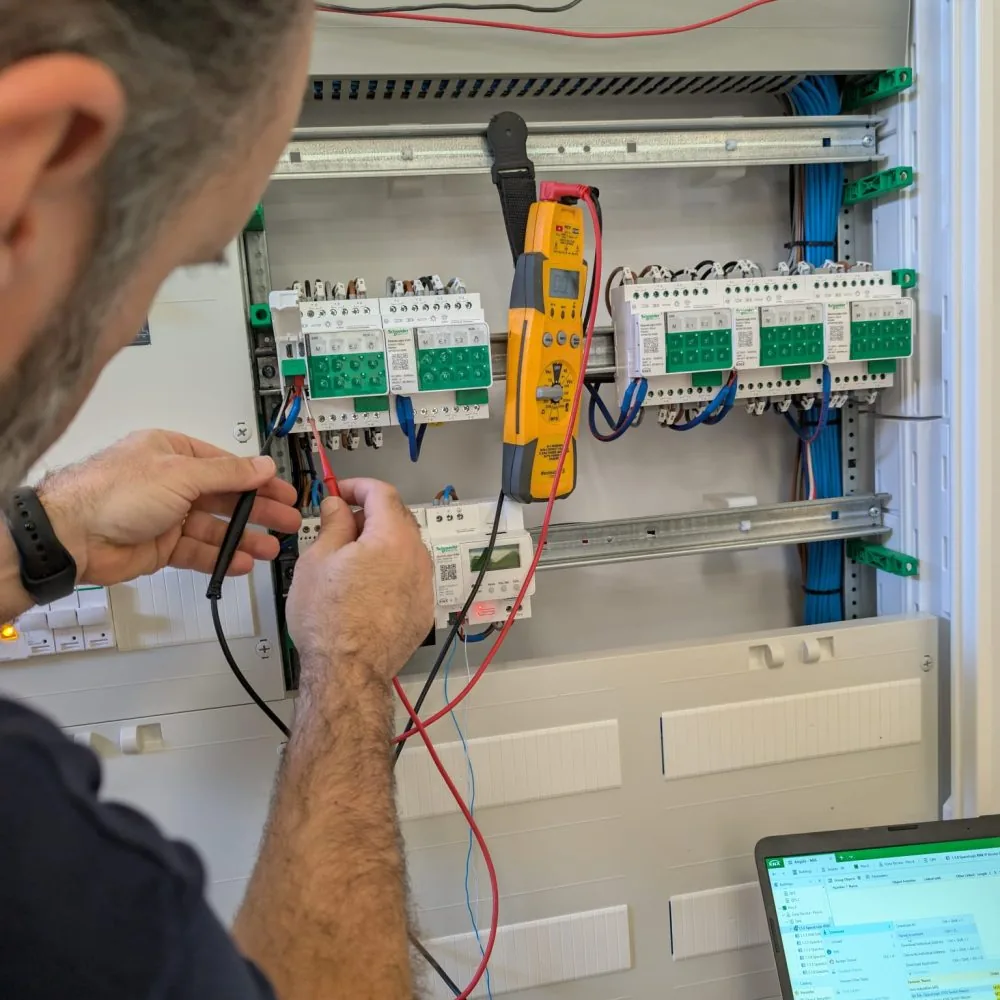
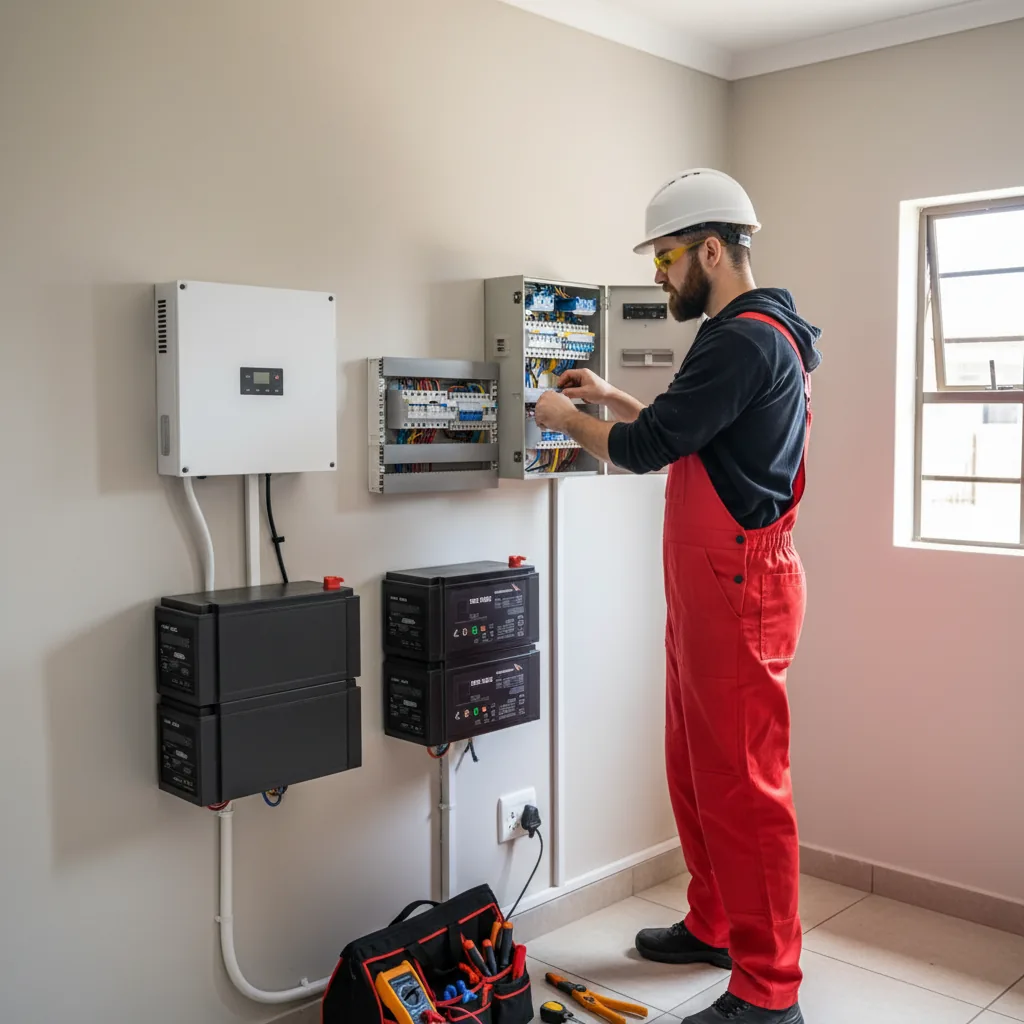
Electrician Waterkloof Ridge from 911 Electricians Pretoria, showing an electrician in protective gear inspecting a large electrical switchboard.
TRUSTED ELECTRICIAN IN WATERKLOOF RIDGE

Why Choose Us for Electrician Waterkloof Ridge

The decisions made before, during and after the repair show the value of useful electrical service. 911 Electricians Pretoria begins with the reported problem, defines the affected scope and explains why a particular repair is appropriate. Work should not expand without a clear reason. Testing after the repair checks the changed circuit, while the handover distinguishes completed work from any separate concern. That approach gives Waterkloof Ridge customers a clearer basis for approving and understanding electrical work. choose 911 Electricians Pretoria for Waterkloof Ridge electrical work

  • Clear starting point: The electrician records the symptoms, affected areas and recent changes before deciding which circuit needs attention.
  • Evidence before parts: Components are not replaced simply because they sit closest to the fault or are easiest to reach.
  • Defined work scope: Urgent safety work, necessary repairs and optional improvements stay separate before the customer approves additional work.
  • Practical handover: The customer receives an explanation of completed work, test results and concerns outside the agreed scope.
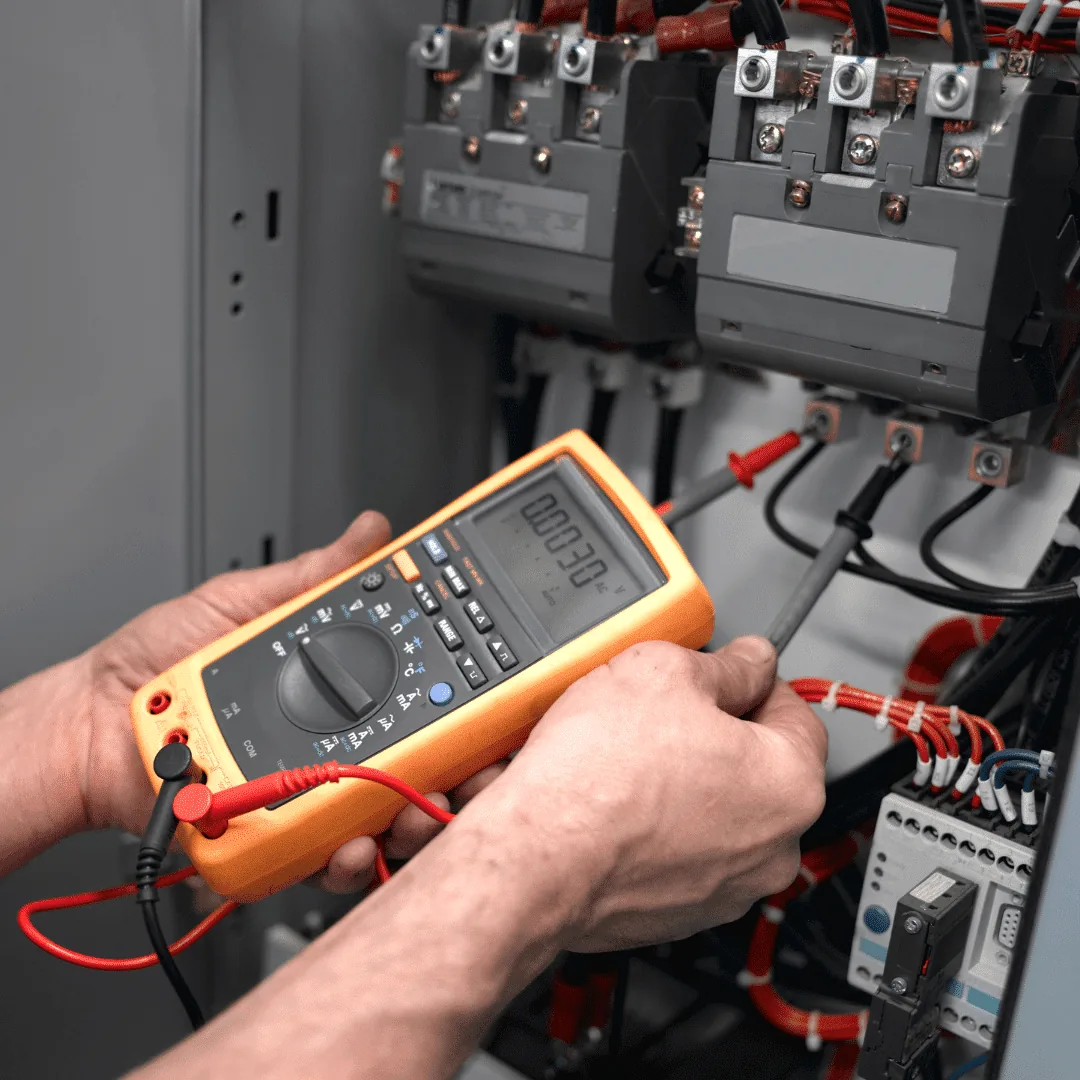
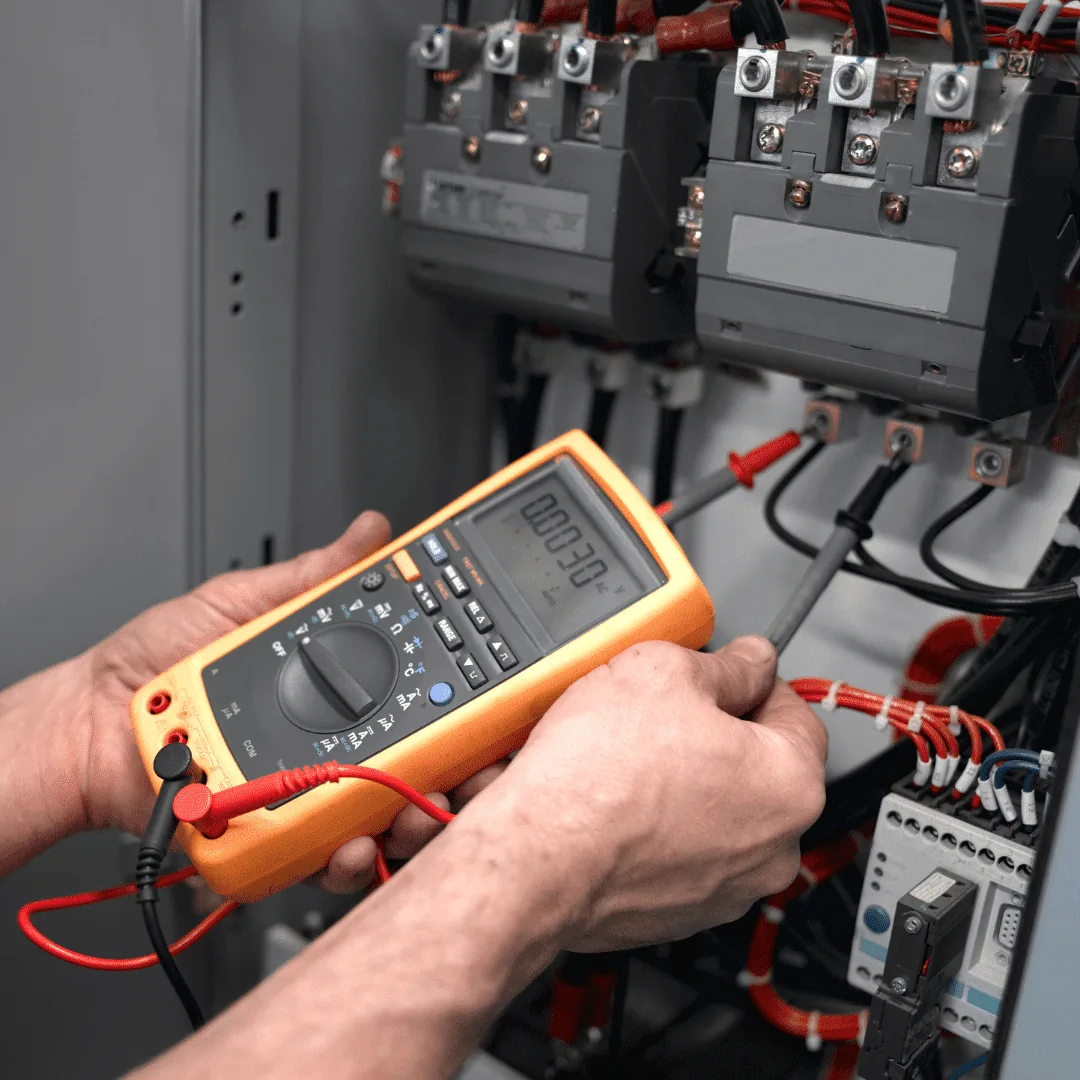
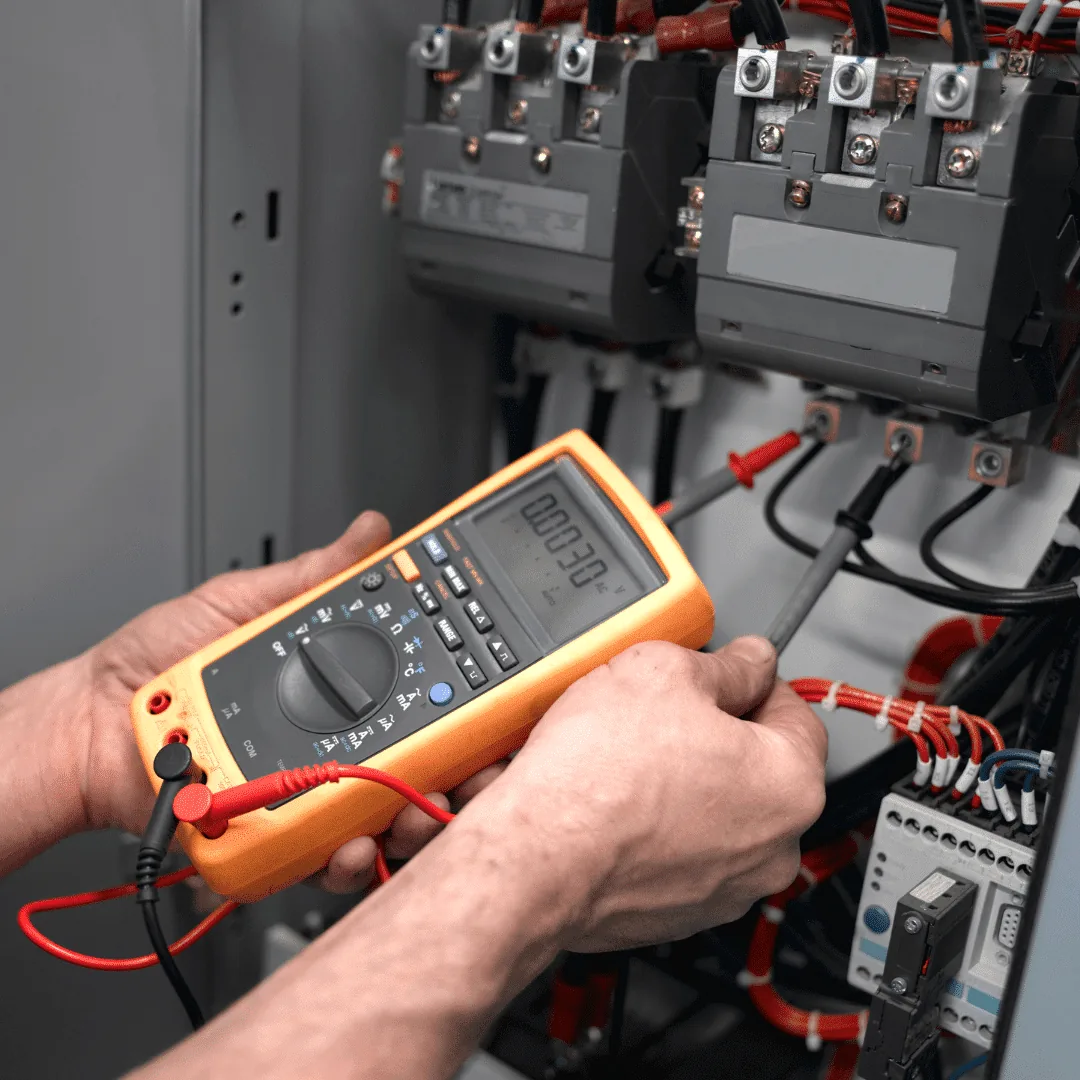
Electrician Waterkloof Ridge from 911 Electricians Pretoria, showing a digital multimeter testing voltage inside an electrical control panel.
WATERKLOOF RIDGE ELECTRICIAN

Why Waterkloof Ridge Residents Trust Us for Electrician

Waterkloof Ridge residents should be able to judge an electrician by more than a confident promise. A trustworthy process makes unsafe conditions clear, avoids blind breaker resets, explains the evidence behind the repair and retests affected circuits before normal use resumes. It also states when the fault needs more investigation instead of hiding uncertainty. 911 Electricians Pretoria focuses on those practical steps so customers can understand what changed, what remains safe to use and what still needs attention.

  • Safety comes first: Exposed conductors, heat damage and unstable circuits remain isolated until an electrician has assessed the risk.
  • Findings stay clear: The explanation connects the reported symptom to the test result and the repair proposed for approval.
  • Limits are stated: The handover identifies excluded areas and avoids implying that unrelated parts of the installation were certified.
  • Next steps matter: Customers know what can return to use and which separate concern should not be delayed.
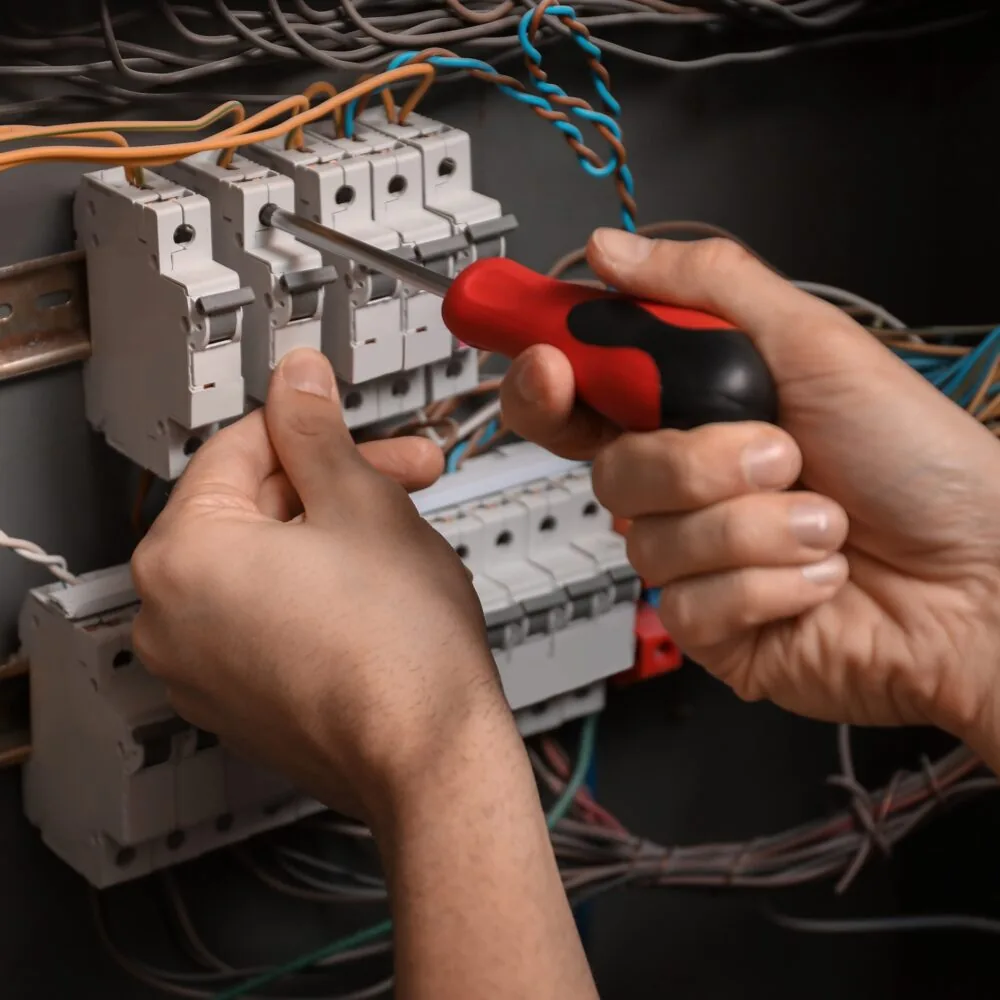
Electrician Waterkloof Ridge from 911 Electricians Pretoria, showing hands using an insulated screwdriver to adjust circuit breakers inside a distribution board.

Our Services

Waterkloof Ridge Solutions from 911 Electricians Pretoria Team

Electrical work in Waterkloof Ridge can involve an urgent loss of power, a compliance inspection, careful fault tracing, backup power planning or repairs to wiring and the distribution board. The service cards below explain where each option fits, so you can open the page that best matches the problem at the property.

GOT QUESTIONS?

Frequently Asked Questions About Our Waterkloof Ridge

Have questions? We’ve got answers. Our Waterkloof Ridge FAQ section covers the most common queries about our services, coverage, insurance, and emergency response so you can book with confidence.

Unplug non-essential appliances on the affected circuit and reset the breaker once. If it trips again, leave it off. Repeated resets can hide useful fault evidence and return an unsafe circuit to service.

Expert insight: Tell the electrician which breaker trips, what was running and whether you noticed heat, smell or noise. Those details help separate an appliance problem, overload, damaged connection or wiring fault.

Arrange an inspection when you notice repeated tripping, warm fittings, burning smells, damaged insulation, buzzing or unexplained flickering. Recent alterations without clear records also deserve a closer look.

Expert insight: The inspection scope should match the concern. A fault call may focus on one circuit, while a compliance assessment follows its own defined checks, tests and documentation requirements.

A registered person can consider a Certificate of Compliance after inspecting and testing the agreed fixed installation. The outcome depends on the installation and recorded results, not the booking itself.

Expert insight: If defects prevent certification, request a clear corrective list. Relevant repairs need retesting before the registered person decides whether the installation qualifies for a certificate.

Dead sockets can result from a tripped circuit, loose connection, damaged conductor, failed socket or upstream fault. Several dead points may share one circuit or connection.

Expert insight: Stop using any socket that shows heat, cracking or a burning smell. An electrician can isolate the circuit, trace the interruption and test the repair before normal use resumes.

Write down when the problem started, which points or appliances it affects and what changes preceded it. Keep existing certificates, inverter documents or alteration records available when relevant.

Expert insight: Provide safe access to the DB board and affected areas, but do not remove covers or expose wiring. Keep children, pets and stored items away from the working space.

Essential-load planning lists the circuits and appliances that genuinely need backup power. It considers running demand, start-up demand and the runtime the customer expects.

Expert insight: The electrician then compares those priorities with inverter output, usable battery capacity and the existing DB board. Heavy loads may stay outside backup to protect capacity and runtime.

Repair time depends on fault access, diagnostic complexity, parts and the condition found. An intermittent fault can take longer to confirm than a visible failed fitting.

Expert insight: Ask for the likely next step after the initial assessment. Larger repairs should include an agreed scope, outage plan and any factors that could change the timeline.

Keep away from exposed conductors, damaged fittings, heat, sparks and wet electrical equipment. Do not open the DB board or attempt work on live circuits.

Expert insight: Switch off the relevant supply only when the control is clearly identified and safely reachable. The electrician should secure the work area and explain what must remain off.

An inverter may trip when connected demand exceeds output, an appliance creates a high start-up surge or the system detects a fault. Battery capacity alone does not solve an output overload.

Expert insight: Record which loads were running and any warning shown by the system. The electrician can compare that pattern with the essential-load design, protection and circuit arrangement.

Note whether one fitting, one room or the whole property flickers. Also record whether the symptom appears when a specific appliance starts or during supply changes.

Expert insight: Do not open switches or fittings to investigate. An electrician can use the pattern to choose the affected circuit, inspect connections and test the likely cause safely.

Our Electrician Stories

Waterkloof Ridge Real Jobs, Real Solutions from 911 Electricians

Here are a few 24/7 Emergency Electrician experiences we recently handled in Waterkloof Ridge 

Waterkloof Ridge: A breaker that trips after one appliance starts

If a breaker holds until a particular appliance starts, the useful question is whether the appliance, connection or circuit load is responsible. An electrician can isolate the circuit, compare the fault with and without the appliance, and inspect relevant connections before proposing work. The answer may be an appliance fault, a damaged point or a circuit that needs attention. The breaker should not be repeatedly reset while the cause remains unknown, because the trip is protective evidence rather than an inconvenience to bypass. Practical Tip: Note which appliance was running and whether the same breaker trips again, then leave that circuit off for assessment.

Dead sockets in one part of the property

Several dead sockets do not always mean the entire supply has failed. They may share one circuit, sit downstream of a loose connection or be affected by a protective device. A sensible diagnostic sequence checks the distribution board, identifies which points are affected and tests the circuit safely. That narrows the repair without opening every socket in the property. If heat, cracking or a burning smell is present, the affected points should remain unused until an electrician has assessed them. Practical Tip: List every affected socket and any recent electrical change; do not use extension leads to bypass a hot or damaged point.

Planning backup power around real priorities

A backup system becomes easier to size when the household separates essential loads from convenient ones. Lighting, internet, security and a selected plug circuit may have different operating and start-up demands. The electrician can compare those priorities with the DB board and explain which circuits belong on backup. This prevents an inverter from being chosen only by its headline output. It also gives the customer a realistic discussion about runtime, battery limits and appliances that should remain outside the backup supply. Practical Tip: Prepare a short list of must-run circuits and appliances, including their typical use, before discussing inverter and battery capacity.

Preparing for a compliance inspection

A property owner preparing for an Electrical Certificate of Compliance inspection should gather existing certificates and note alterations completed since those documents were issued. The inspection still needs to assess the agreed fixed installation and record the applicable tests. If defects are found, they should appear in a clear corrective list rather than being mixed with optional upgrades. Certification only follows once the registered person is satisfied with the inspected scope, test results and any relevant repairs. Practical Tip: Keep previous certificates and alteration records together, but do not assume older paperwork covers later electrical changes.

Buzzing from a distribution board

A warm cover, buzzing sound or electrical smell near the DB board needs caution because different defects can produce similar warning signs. The board should not be opened by the customer. An electrician can isolate the supply as appropriate, inspect terminations and protective devices, and test related circuits. The evidence determines whether the issue is a local connection, a failed component or part of a wider wiring problem. The goal is to correct the cause, then verify safe operation before normal use resumes. Practical Tip: Keep clear of the board and switch off the main supply only if it is safely reachable and conditions allow.