Load Shedding Solutions & Inverters Waterkloof Ridge

On Call 24/7 - Licensed Electrician Near You

An inverter that overloads, drains too quickly or backs up the wrong circuits will not solve the outage problem you planned for. Load Shedding Solutions & Inverters in Waterkloof Ridge should begin with an essential-load list, realistic runtime and the existing DB board. 911 Electricians Pretoria can assess those requirements and explain suitable system limits. Call 076 895 5655 to discuss your priority circuits.

Get your FREE

Quote Today

SERVICE DESCRIPTION

About Our Load Shedding Solutions & Inverters Services Waterkloof Ridge

A useful backup system starts with the circuits and appliances that genuinely need power during an outage. Their running load, start-up demand and required runtime guide inverter output and battery capacity. The electrician must also assess the existing DB board, changeover arrangement, protection, cabling, earthing, equipment position and ventilation. Load Shedding Solutions & Inverters in Waterkloof Ridge should state which loads remain outside backup and why, rather than promising that every appliance can run together. plan Waterkloof Ridge backup power with 911 Electricians Pretoria

  • List essential loads: Priority lights, plugs, internet, security and the electrician identifies selected appliances before choosing equipment.
  • Match system capacity: Running load, start-up demand and expected runtime guide inverter output and usable battery capacity.
  • Assess the DB board: The electrician checks existing circuits and protection before selected loads move onto the backup supply.
  • Plan safe changeover: The supply arrangement must prevent backfeeding and use suitable isolation, protection, cabling and earthing.
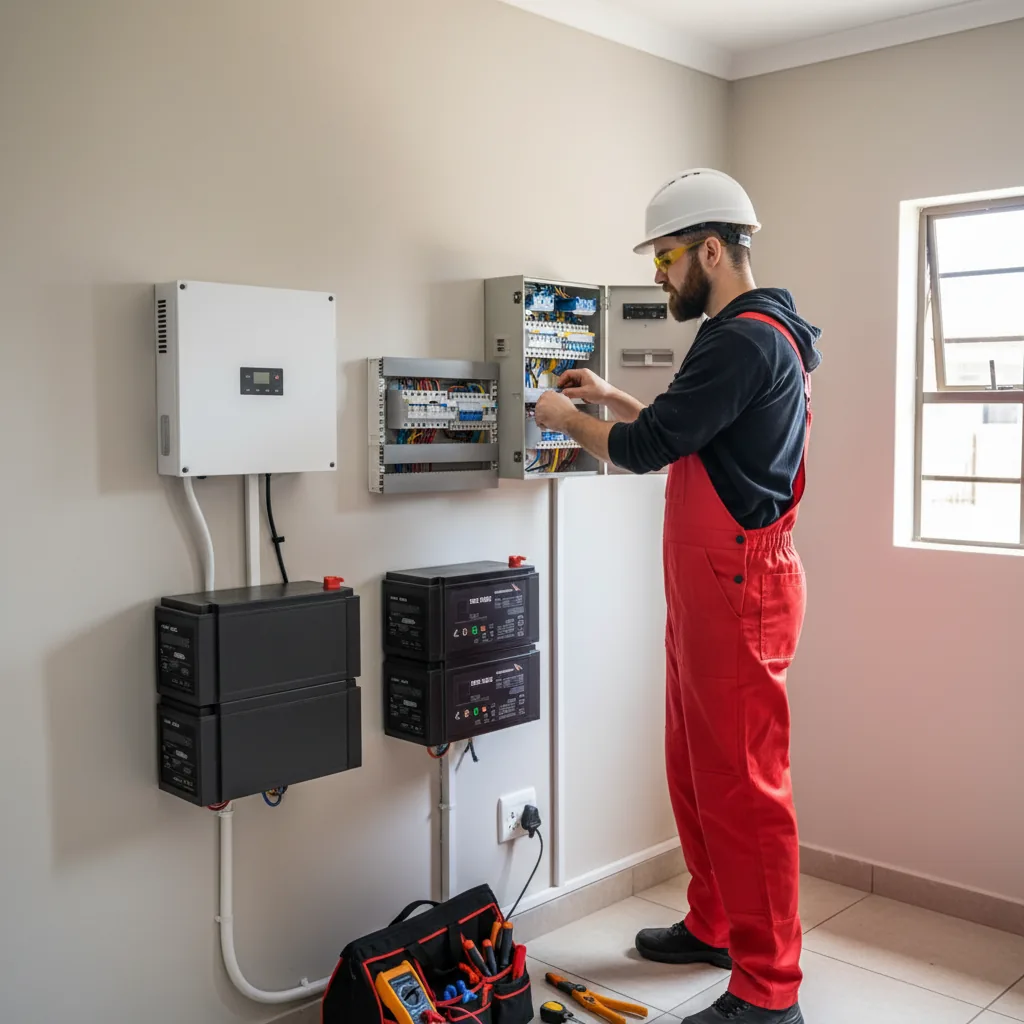
Load Shedding Solutions & Inverters Waterkloof Ridge from 911 Electricians Pretoria, showing a technician connecting an inverter, battery bank and distribution boards.
TRUSTED LOAD SHEDDING SOLUTIONS & INVERTERS IN WATERKLOOF RIDGE

Why Choose Us for Load Shedding Solutions & Inverters Waterkloof Ridge

911 Electricians Pretoria keeps the equipment choice tied to the agreed load list and installation found on site. Waterkloof Ridge customers receive an explanation of expected runtime, excluded appliances, operating limits and the work needed at the DB board. Commissioning should confirm the changeover and selected backup circuits before handover. This gives the customer a realistic system to operate, instead of a battery-size promise that ignores appliance demand, conversion losses, battery limits or future changes to the connected load. choose 911 Electricians Pretoria for Waterkloof Ridge inverter planning

  • Limits stay realistic: The electrician explains runtime against the connected load instead of presenting one fixed universal figure.
  • The plan controls heavy loads: It excludes high-demand appliances when they would overload the inverter or remove useful battery runtime.
  • Commissioning checks operation: The electrician checks changeover, selected circuits and relevant system warnings before handing over the backup supply.
  • Customers understand use: The handover explains load combinations, warning indicators and circumstances that require the customer should switch off the system.
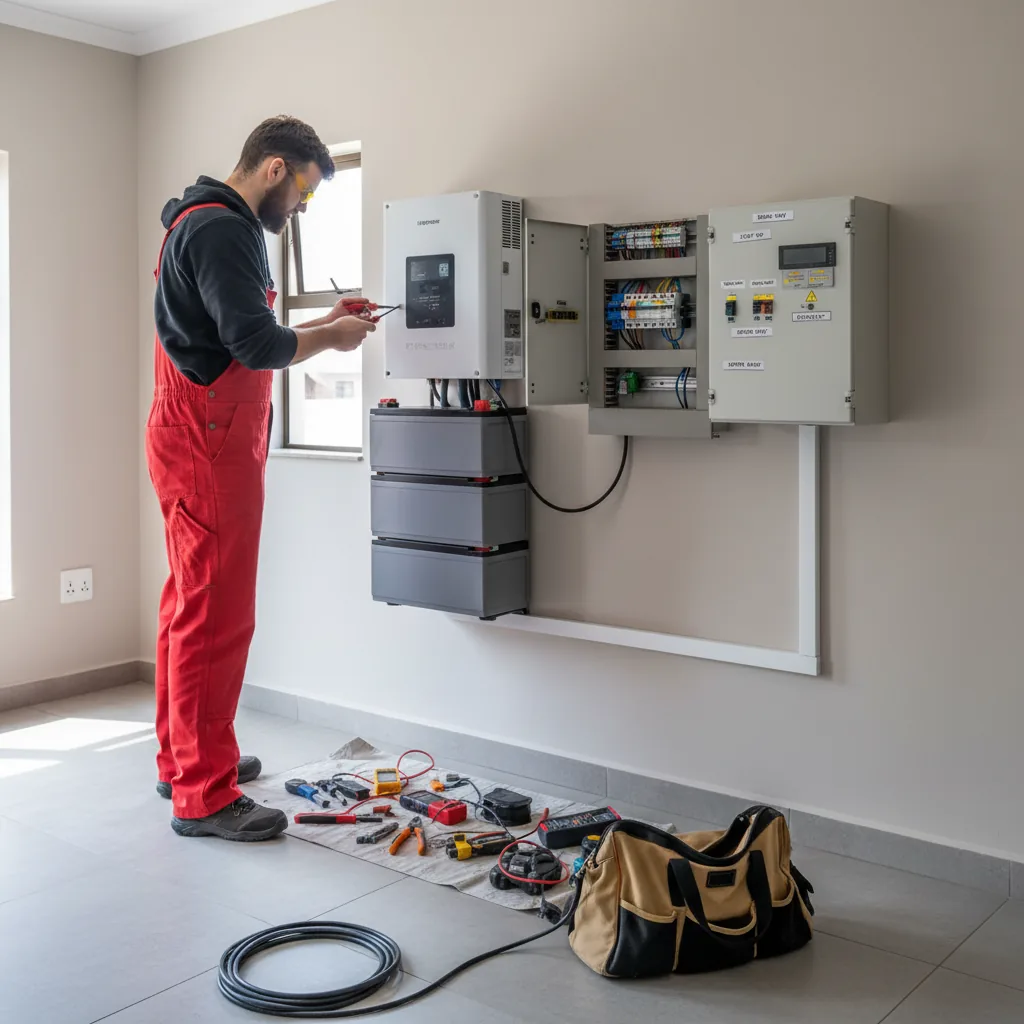
Load Shedding Solutions & Inverters Waterkloof Ridge from 911 Electricians Pretoria, showing a technician testing a wall-mounted inverter and battery backup system.
WATERKLOOF RIDGE LOAD SHEDDING SOLUTIONS & INVERTERS

Why Waterkloof Ridge Residents Trust Us for Load Shedding Solutions & Inverters

Waterkloof Ridge residents can trust backup-power advice when the system boundary is as clear as the equipment recommendation. 911 Electricians Pretoria explains what the inverter will support, what remains on normal supply and how connected load changes runtime. The design follows the installation and priorities discussed with the customer. If the existing DB board or protection needs separate work, that requirement is stated before commissioning rather than hidden inside an optimistic capacity estimate.

  • Priorities drive design: The system follows the customer's essential circuits instead of copying a standard appliance list.
  • Exclusions are visible: Loads outside backup remain identified so users do not unknowingly exceed the agreed design.
  • Warnings are explained: Customers learn what overload, battery and fault indications mean before relying on the system.
  • Changes need review: Adding appliances or altering circuits may change runtime, protection needs and the safe operating limit.
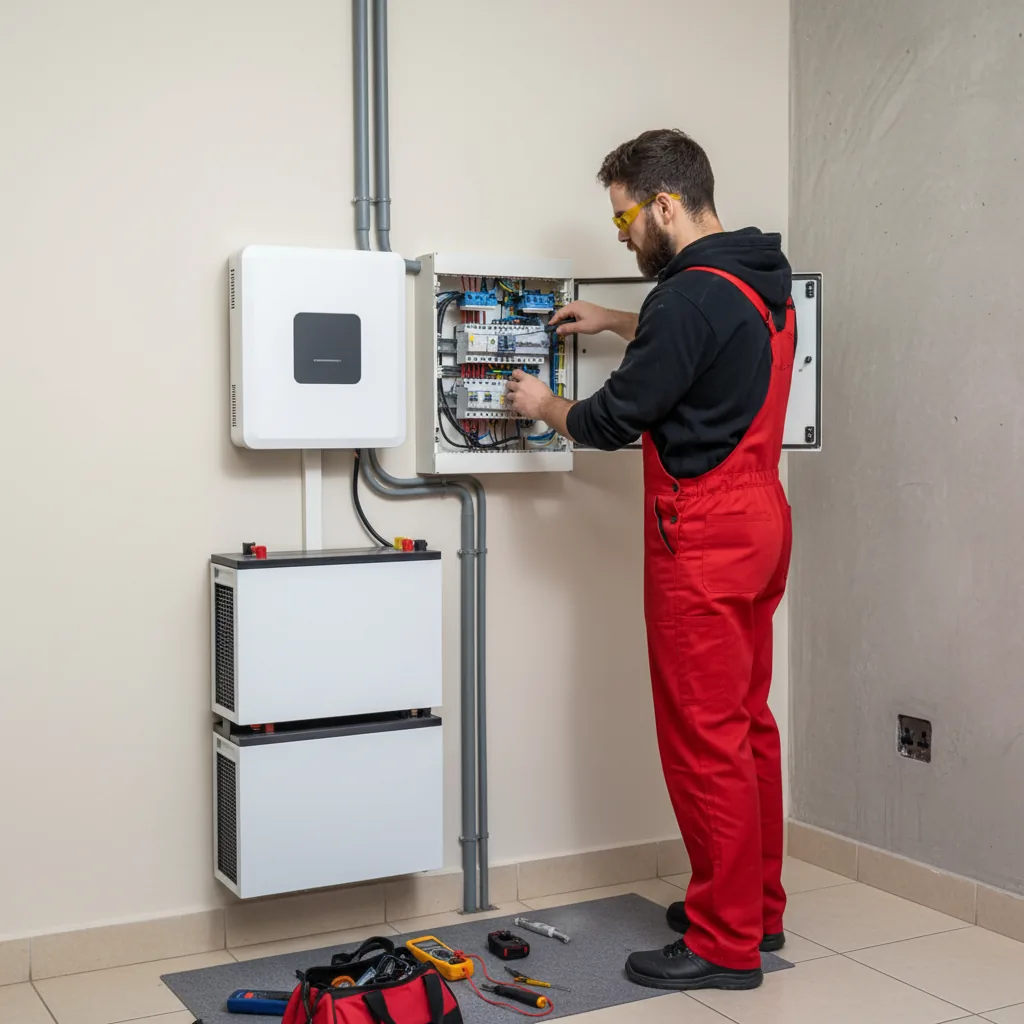
Load Shedding Solutions & Inverters Waterkloof Ridge from 911 Electricians Pretoria, showing a technician checking the distribution board beside an inverter and batteries.

GOT QUESTIONS?

Frequently Asked Questions About Our Load Shedding Solutions & Inverters Waterkloof Ridge Team

Have questions? We’ve got answers. Our Load Shedding Solutions & Inverters Waterkloof Ridge FAQ section covers the most common queries about our services, coverage, insurance, and emergency response so you can book with confidence.

List the circuits and appliances that must operate during an outage. Add their running demand and consider start-up surges from items such as fridges or pumps.

Expert insight: The electrician compares that demand with inverter output, DB board capacity and the intended circuit arrangement. A larger battery cannot correct insufficient inverter output.

Battery capacity follows the essential load, expected runtime, usable discharge range and system losses. One battery size cannot deliver the same runtime for every household.

Expert insight: Start with a measured or realistic load list. The recommendation should explain expected limits and how additional appliances shorten runtime.

The cause may involve supply conditions, settings, changeover equipment, protection or an inverter fault. Avoid repeatedly changing settings without understanding the system state.

Expert insight: Record warnings and confirm whether normal supply has returned elsewhere. An electrician can assess the changeover and related circuits before resetting or replacing equipment.

The installation must follow the applicable South African requirements, equipment instructions and fixed-wiring rules for its scope. Safe changeover, protection, cabling, earthing and equipment placement all matter.

Expert insight: Ask what the electrician will test and document. A product label alone does not confirm that the complete installation works safely with the property.

Commissioning should check changeover, selected backup circuits, system warnings and agreed operating limits. The electrician should perform tests that involve fixed wiring or exposed components.

Expert insight: During handover, the customer can confirm which circuits receive backup and how normal controls operate. Never create a simulated outage by opening electrical covers or bypassing protection.

Additional appliances change running demand, start-up demand and battery runtime. They may also require another circuit or protection review before the system can support them safely.

Expert insight: Have the existing design and DB board checked first. Do not assume spare battery capacity means the inverter, cabling and changeover have spare output capacity.

Service needs depend on the equipment maker, environment, battery type, usage and system warnings. Follow the manufacturer schedule rather than a universal interval.

Expert insight: Arrange an earlier assessment when runtime changes sharply, warnings recur, connections heat up or changeover behaves unexpectedly. Keep maintenance and installation documents together.

Some equipment produces normal operating sound, while a new or changing buzz can indicate load, cooling, connection or component concerns. The manual may describe expected sound patterns.

Expert insight: Record when the noise occurs and which loads run at the time. Switch the system off for assessment when heat, smell, smoke or fault warnings accompany it.

Prepare an essential-load list and give the electrician access to the DB board and proposed equipment area. Gather existing electrical and inverter documents.

Expert insight: Discuss ventilation, cable routes, outages and excluded appliances before work starts. Keep the area clear, but do not remove covers or alter circuits yourself.

The system may warn, reduce output or shut down according to its design. Repeated overloads can interrupt backup and place unnecessary stress on equipment.

Expert insight: Remove non-essential load according to the operating guide and note the warning. Ask an electrician to review recurring overloads, circuit selection and equipment capacity.

Our Electrician Stories

Load Shedding Solutions & Inverters Electrician Waterkloof Ridge Real Jobs, Real Solutions from 911 Electricians

Here are a few 24/7 Emergency Electrician experiences we recently handled in Waterkloof Ridge 

Waterkloof Ridge: An inverter shuts down when two appliances start

An overload shutdown may occur even when the normal running load looks acceptable because some appliances draw more power when starting. The electrician can compare the essential-load list with inverter output and identify which load combination causes the limit to be exceeded. The answer may be a revised circuit list, changed operating routine or equipment assessment, not simply a larger battery. Testing the agreed loads during commissioning gives the customer a clearer operating boundary. Practical Tip: List which appliances started immediately before the shutdown; battery capacity alone does not solve an inverter output overload.

Battery runtime is shorter than expected

Runtime changes with connected load, battery condition, usable capacity, inverter losses and the way appliances cycle. A customer who expects one fixed duration may therefore be disappointed even when the system is operating normally. The useful review begins with actual loads and the battery information available, then compares that demand with the system design. The electrician can explain which appliances reduce runtime and whether the current battery capacity still suits the essential-load plan. Practical Tip: Measure runtime with a known essential-load list before assuming the battery has failed or adding more capacity.

Only selected circuits should receive backup power

Moving every circuit onto an inverter can create an unmanageable load and unclear operating limits. A better plan identifies priority lighting, internet, security and selected plug circuits, then keeps heavy or non-essential loads outside backup where appropriate. The electrician checks the DB board and changeover arrangement before those circuits are separated. The final labels and handover help users understand which points are backed up and which remain dependent on the normal supply. Practical Tip: Mark priority circuits before installation and confirm that high-demand appliances remain excluded where the design requires it.

An existing system is being expanded

Adding another appliance or circuit to an existing inverter changes more than the connected-load list. The electrician should review inverter output, battery demand, protection, cabling, changeover and the current DB board arrangement. The earlier design may have little spare capacity, or the new appliance may introduce a high start-up demand. Expansion should therefore be assessed and commissioned as a system change rather than treated as a simple extra plug. Practical Tip: Do not add new loads until the existing system capacity, protection and circuit arrangement have been checked.

Understanding warnings during handover

A backup system is easier to use safely when the customer knows the difference between an overload warning, low battery indication and equipment fault. During handover, the agreed circuits and changeover operation are checked, then the operating limits are explained in plain language. The customer should know which appliance combinations to avoid and when the system should be switched off for assessment. Clear warnings reduce guesswork during an outage and protect the equipment from repeated misuse. Practical Tip: Keep the operating guide near the system and record any recurring warning before resetting or changing settings.